Analysis of the entire process of model making and transportation
Analysis of the entire process of model making and transportation
Model production and transportation are key links in achieving creative implementation and safe delivery, requiring full chain control from production technology to transportation protection to ensure the complete presentation of the work. The following is a breakdown of the core points from three aspec
ts: production, packaging, and transportation, to assist in the perfect transformation of the model from a "design drawing" to a "display product".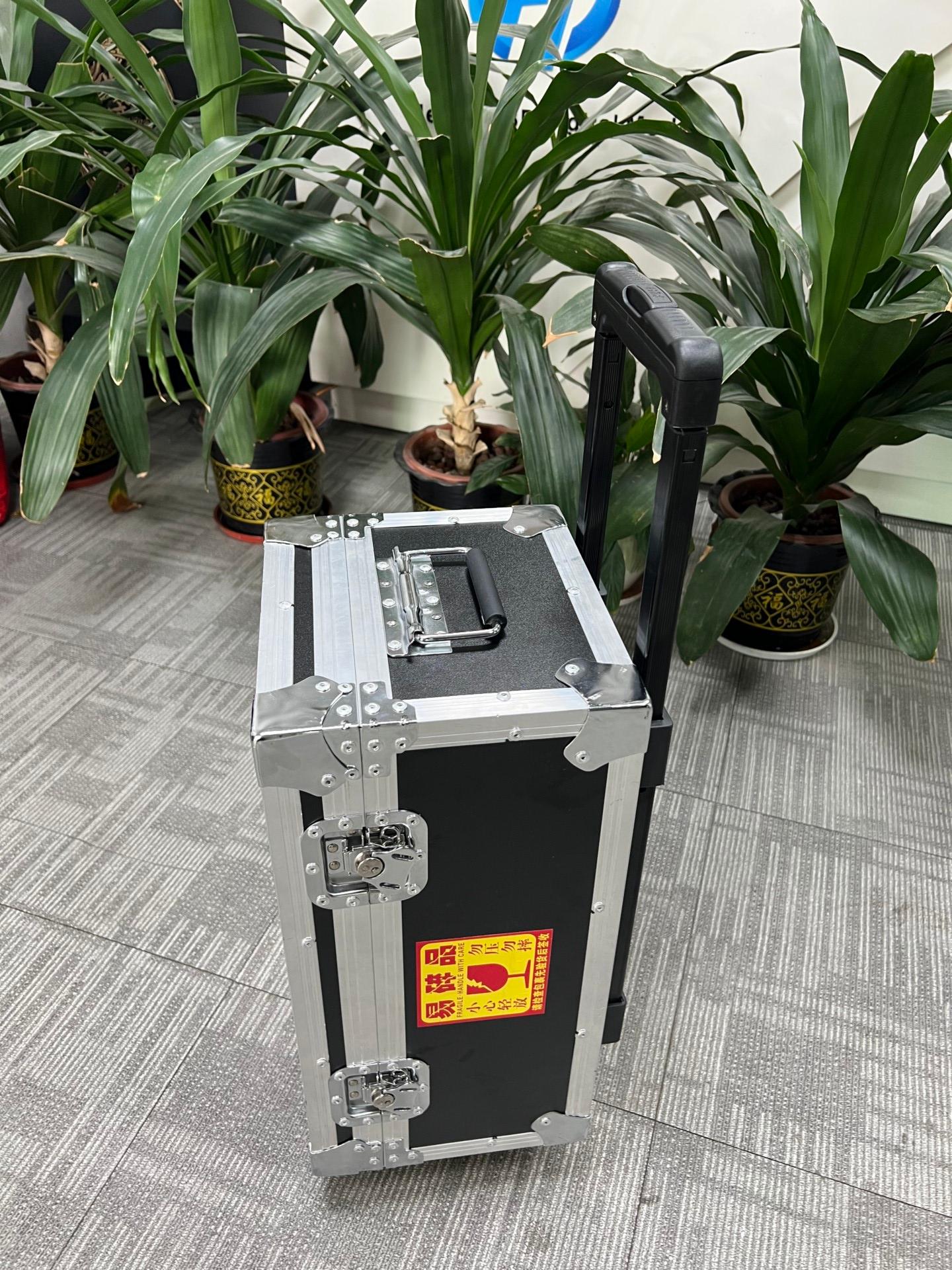
1、 Production: Fine Implementation from Creativity to Entity
Model making is the stage of "soul injection", which requires a balance between structural stability and detail reproduction.
Material selection: Match material characteristics based on model functionality and scene. For example, ABS plastic (easy to process and high strength) is selected for mechanical model, and foam board (light and easy to shape) is used for building model; Dynamic models (such as movable dolls) should be made of tough materials (such as soft rubber) to avoid joint fracture during transportation.
Process layering: Complex models are promoted in three steps: skeleton → structure → details. The skeleton is constructed with metal profiles/hard plastics to ensure load-bearing capacity; Structural components are fixed with adhesive (such as epoxy resin) and reserved with transportation buffer space; Details (such as texture and identification) are treated with spray painting/etching technology and can be disassembled for later protection.
Dynamic model protection: movable parts (such as joints and antennas) need to be disassembled+packed separately, and padded and buffered with cotton/foam; Vulnerable parts (such as the head and limbs) are individually packaged in plastic bags and then placed in the main packaging to reduce the risk of collision during transportation.
2、 Packaging: Creating a 'secure fortress' for the model
Packaging is the "last line of defense" before transportation, and it is necessary to build strong protection in three dimensions: materials, structure, and details.
Material selection: Priority should be given to shockproof, moisture-proof, and dust-proof materials. The buffer layer uses foam cotton/bubble film (shock absorption), the outer packaging uses corrugated carton (compression resistance), and the sealing layer uses plastic bags (moisture resistance).
Structural design:
"Layering+filling" in the box: cushion materials (such as foam board) are filled between the model and the packing box to form a three-layer protection of "model → buffer layer → packing box";
Face to face reinforcement: Use "face to face" connections (such as tape bonding or mortise and tenon structures) to prevent cracking during transportation;
Gap filling: Fill the gaps in the packaging box with cotton/bubble wrap to prevent the model from moving and colliding.
Identification and recording: The outer packaging is labeled with transportation labels (including weight, size, and fragile identification), and a list is attached (recording components, quantity, and protection methods) for easy verification by the transporter and receiver.
3、 Transportation: Let the model land steadily
The transportation process needs to combine the three elements of tools, routes, and operations to reduce risks.
Tool selection: Priority should be given to professional transportation companies (such as logistics companies with shock-absorbing equipment), or self owned shock-absorbing vehicles (airbag suspension, air pressure regulation system); Short distance transportation can choose shock absorbers and cars, while long-distance transportation requires professional logistics.
Route planning: Avoid bumpy roads (such as rural dirt roads and construction areas) and choose highways with good road conditions; Avoid vibration source areas (such as construction sites and blasting zones) to reduce vibration intensity.
Operating standards:
Vehicle fixation: Use road studs and seat belts to secure the model to the transport vehicle to avoid sliding collisions;
Slow down driving: Control the speed of the vehicle, avoid sudden braking/turning, and reduce vibration intensity;
Regular inspection: Before transportation, check whether the shock-absorbing equipment (such as airbags and cushions) is intact. During transportation, regularly check the fixing status and reinforce it in a timely manner.
4、 Summary: Full process closed-loop guarantee
From "structural reservation during production" to "detail protection during transportation", and then to "precise selection of tools and routes", model production and transportation require full chain control. Only by seamlessly connecting each link can the model fully present its creativity after transportation, achieving a perfect closed-loop from "design" to "display".


