High Toughness Material Sand Table Model
Introduction
Sand table models are fragile.
Trees snap. Buildings crack. Edges chip.
One bump during transport can ruin months of work.
But there is a solution.
Use materials designed to take impact.
That is aHigh Toughness Material Sand Table Model.
This guide explains what high toughness means.
Which materials offer the best durability.
And why toughness matters for long‑term display.
Let us begin.
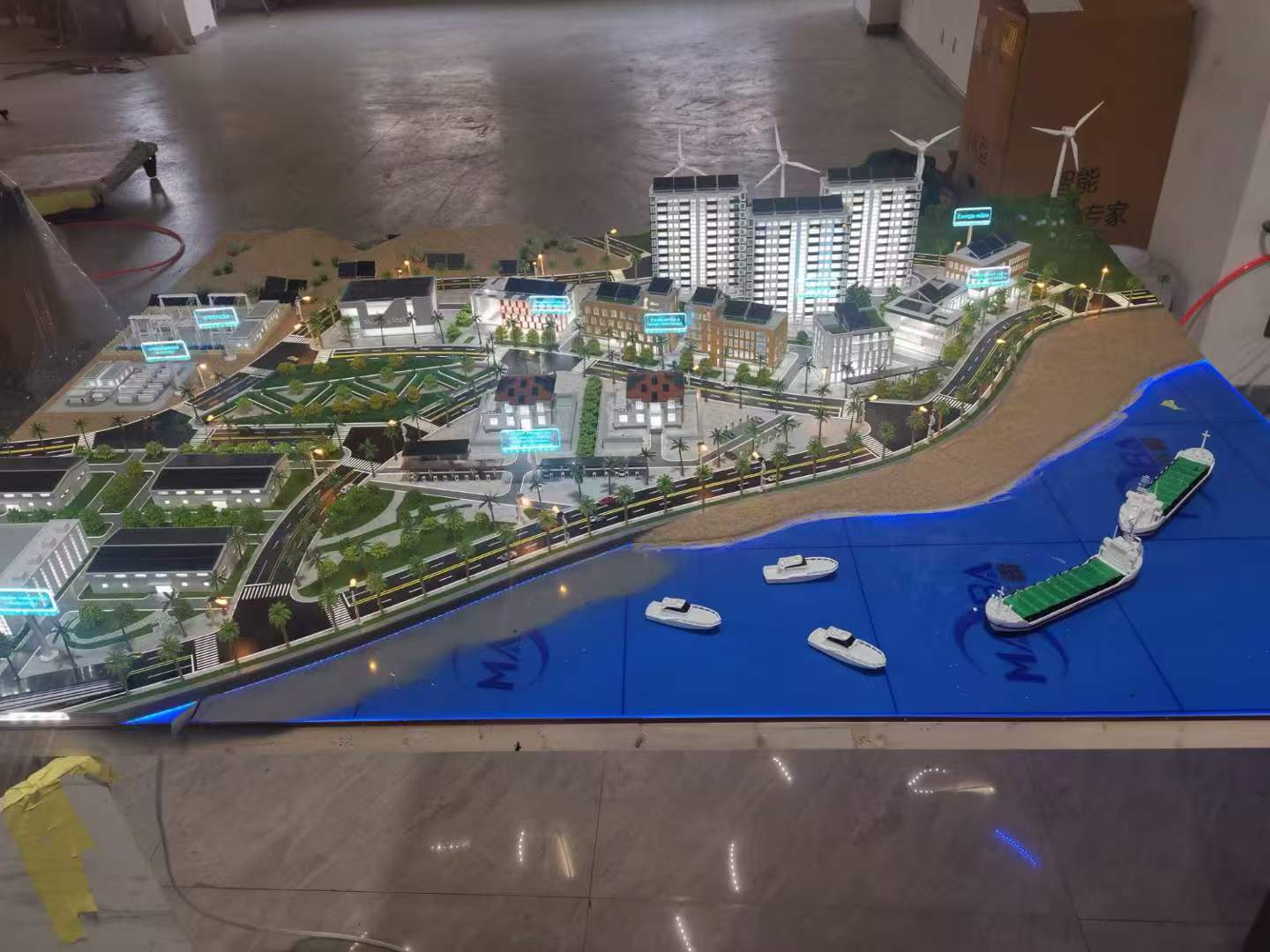
What Is a High Toughness Material Sand Table Model?
It is a physical miniature built from engineering plastics and composites that resist breaking, cracking, and chipping.
AHigh Toughness Material Sand Table Modeluses:
ABS (acrylonitrile butadiene styrene) – impact‑resistant, lightweight.
Polycarbonate (PC) – nearly unbreakable, used for protective covers.
Reinforced nylon or PETG – durable for structural components.
These materials bend slightly under stress instead of shattering.
They are ideal for models that are moved frequently or displayed in public areas.
Why Toughness Matters
Standard model materials (MDF, standard resin, foam) are brittle.
A dropped building shatters. A bumped corner chips.
AHigh Toughness Material Sand Table Modelsurvives:
Transport and installation bumps.
Accidental leaning or touching by visitors.
Cleaning and maintenance handling.
Temperature changes that cause cracking.
For sales centers open to the public, toughness reduces repair costs.
For traveling exhibitions, it ensures the model arrives intact.
High Toughness Materials for Sand Table Models
ABS (Acrylonitrile Butadiene Styrene)
ABS is the most common high‑toughness plastic in architectural models.
It is lightweight, impact‑resistant, and easy to laser cut or 3D print.
ABS does not absorb moisture, so it will not warp.
It takes paint well but can also be used in its natural white or grey color.
Polycarbonate (PC)
Polycarbonate is extremely tough – used in bullet‑resistant windows.
It is nearly unbreakable, making it ideal for protective covers and base frames.
Polycarbonate is also used for transparent glass facades in models that must withstand handling.
PETG (Polyethylene Terephthalate Glycol)
PETG is a strong, flexible plastic.
It combines the toughness of ABS with the clarity of acrylic.
PETG is less brittle than acrylic and does not yellow as quickly.
It is a good choice for windows and water features in high‑traffic models.
Reinforced Nylon (PA12 or PA6)
Used for 3D printed structural components (brackets, connectors, load‑bearing parts).
Nylon has excellent impact resistance and flexibility.
It is ideal for building cores that must hold heavy upper floors.
How High Toughness Materials Compare
| Material | Impact Resistance | Flexibility | Clarity | UV Stability |
|---|---|---|---|---|
| ABS | High | Moderate | Opaque | Good |
| Polycarbonate | Very high | High | Clear | Fair (needs coating) |
| PETG | High | Moderate | High | Good |
| Acrylic (standard) | Low | Low | Excellent | Good |
| MDF | Low | None | Opaque | Poor |
For aHigh Toughness Material Sand Table Model, ABS and PETG are the best all‑around choices for buildings and terrain.
Polycarbonate is reserved for protective covers and high‑stress components.
Applications for High Toughness Models
Traveling Exhibitions
Models that move from city to city need toughness.
ABS and PETG components survive vibration and bumps inside crates.
Public Sales Centers
Hundreds of visitors pass by daily.
Accidental touches and leaning are inevitable.
High toughness materials prevent damage.
Educational Displays
Schools and museums allow children to view models up close.
Durable materials withstand pointing, poking, and accidental bumps.
Outdoor or Semi‑Outdoor Displays
High toughness materials resist temperature swings and humidity better than MDF or foam.
Integrating Toughness with Model Features
Urban Model Scene Layout Design
InUrban Model Scene Layout Design, complex layouts with fine details (bridges, overpasses, thin towers) are vulnerable to breakage.
Using high toughness ABS for these components means they flex slightly rather than snap.
You can design more intricate scenes without fear of fragility.
Custom Protective Case For Sand Table Model
Even tough models benefit from protection.
ACustom Protective Case For Sand Table Modelmade from polycarbonate is nearly unbreakable.
It also keeps dust off, reducing cleaning frequency – which itself can damage delicate parts.
Sand Table Model LED Light Replacement
Embedding LEDs into high toughness materials is easier than brittle acrylic.
Drilling holes for fibre optics or wiring channels does not crack ABS or PETG.
When LEDs fail,Sand Table Model LED Light Replacementis simpler because the surrounding material does not shatter.
Eco Friendly Material Architectural Model
Some high toughness materials are also eco‑friendly.
ABS can be recycled, and recycled ABS filament is available.
PETG is recyclable and produces less harmful fumes during printing.
AnEco Friendly Material Architectural Modelcan achieve both durability and sustainability.
Sand Table Model Partial Renovation Service
When a high toughness model eventually needs updates, renovation is easier.
Components are not glued as permanently as acrylic or MDF.
ASand Table Model Partial Renovation Servicecan remove and replace individual ABS or PETG parts without damaging surrounding areas.
Production Techniques for High Toughness Models
Laser Cutting
ABS and PETG laser cut cleanly with minimal char.
Edges may be slightly less polished than acrylic but are still smooth enough for most applications.
3D Printing (FDM)
ABS and PETG are common FDM filaments.
3D printing allows complex geometries that cannot be laser cut.
Printed ABS parts have excellent layer adhesion and impact resistance.
CNC Machining
For larger structural components, ABS sheets can be CNC routed.
This produces precise, repeatable parts for bases and terrain.
Surface Finishing on Tough Materials
TheArchitectural Model Surface Polishing Processworks differently on high toughness materials.
ABS and PETG do not flame‑polish like acrylic.
Instead, they can be sanded and buffed, or coated with a clear gloss layer.
For a high‑gloss finish, apply a two‑part automotive clear coat over painted ABS.
Long‑Term Maintenance
High toughness materials require less maintenance than brittle alternatives.
However, they still need periodic care.
Dusting– Use compressed air or a soft brush.
Cleaning– Mild soap and water for ABS; acrylic cleaner for PETG.
UV protection– Polycarbonate and PETG may yellow without UV‑blocking clear coats or a protective case.
Case Study: Traveling Exhibition Model
A museum commissioned a sand table model for a traveling exhibition on urban planning.
The model would be shipped to 12 cities over two years.
They specified aHigh Toughness Material Sand Table Modelusing ABS for buildings and PETG for water features.
A polycarbonateCustom Protective Case For Sand Table Modelprotected the display.
After 12 moves, the model had no cracks, no broken trees, and only minor paint scratches.
ASand Table Model Partial Renovation Servicetouched up the paint between shows.
Cost Considerations
High toughness materials cost slightly more than standard MDF or acrylic.
However, reduced repair and replacement costs often offset the premium.
ABS sheet – 20–30% more than MDF.
PETG – Comparable to acrylic.
Polycarbonate – 2–3x acrylic, but used only for covers.
For models that will be moved or heavily used, the investment pays for itself.
Future Trends in High Toughness Materials
Recycled ABS– Lower environmental impact.
Bio‑based PETG– Derived from plant sources.
Carbon‑fiber reinforced filaments– Extremely stiff and tough for structural parts.
Self‑healing coatings– Scratch‑resistant layers that repair minor damage.
Conclusion
AHigh Toughness Material Sand Table Modelsurvives where traditional models break.
Choose ABS, PETG, or polycarbonate for impact resistance.
Use them inUrban Model Scene Layout Designfor intricate, bold scenes.
Protect with aCustom Protective Case For Sand Table Modelmade from polycarbonate.
When lights fail,Sand Table Model LED Light Replacementis safer on tough materials.
For sustainable options, specify recycled ABS or bio‑PETG as part of anEco Friendly Material Architectural Model.
And when the model eventually needs updates, aSand Table Model Partial Renovation Servicecan replace components without fear of cracking the surrounding material.
Build tough.
Move often.
Last long.
Ready to build a high toughness material sand table model? Request a quote with your design files and durability requirements. Get a response within 48 hours.


