Custom Miniature Car For Sand Table Model
Introduction
A city without cars feels deserted.
Parking lots sit empty. Roads have no traffic.
But off‑the‑shelf miniature vehicles rarely match your project’s specific needs.
The colors are wrong. The models are outdated. The scale is off.
You need vehicles tailored to your scene.
That is aCustom Miniature Car For Sand Table Model.
This guide explains how to commission or create custom scale vehicles.
What scales and production methods work best.
And how to integrate them into your urban planning model.
Let us begin.
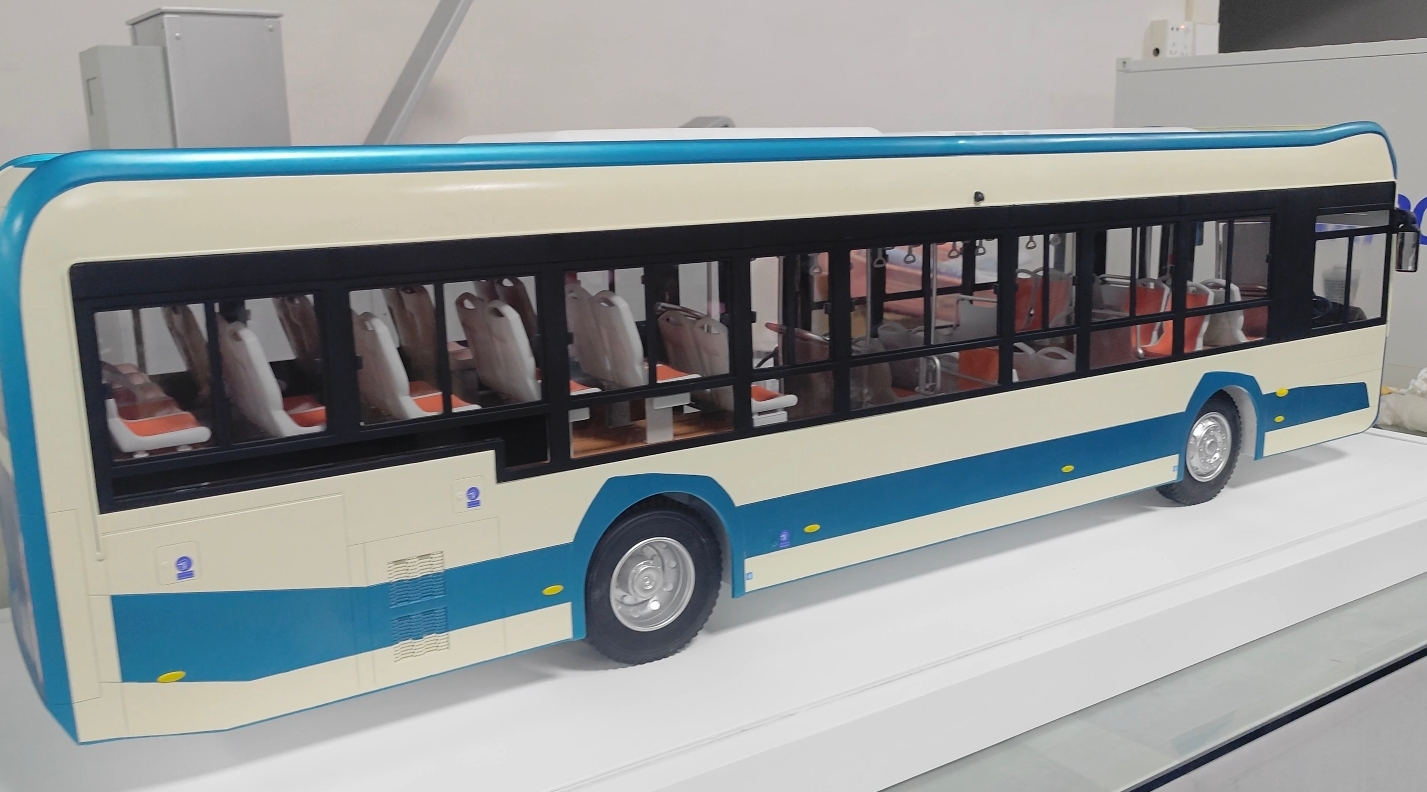
Why Custom Vehicles Elevate Your Sand Table Model
Standard miniature cars serve a purpose, but custom vehicles take realism to another level.
ACustom Miniature Car For Sand Table Modelallows you to:
Match real‑world fleets– Add the exact taxi colors, delivery vans, or municipal vehicles used in your project area.
Create period‑specific scenes– Show modern cars in a new development or vintage vehicles in a historic district.
Align with your colour palette– Avoid clashing colours that distract from your design.
Add unique branding– Place a miniature of your client’s company vehicle in front of their new headquarters.
InUrban Model Scene Layout Design, vehicles define the character of streets, parking areas, and transport hubs. A row of identical taxis at a train station tells one story; a parade of classic cars at a heritage hotel tells another.
Common Scales for Architectural Model Cars
| Scale | Real Car Length (4.5m) | Model Length | Best Use |
|---|---|---|---|
| 1:200 | 4.5m | 22.5mm | Large urban plans, aerial views |
| 1:150 | 4.5m | 30mm | Medium‑scale city models |
| 1:100 | 4.5m | 45mm | Building‑level presentations, streetscapes |
| 1:87 (HO) | 4.5m | 52mm | Highly detailed urban scenes |
| 1:50 | 4.5m | 90mm | Foreground details, close‑up views |
For master plans viewed from a distance, 1:200 is sufficient. For a sales centre model where clients stand close, 1:100 or 1:87 delivers visible detail.
DuringArchitectural Model Prototype Development, test different scales with a few sample vehicles to see what reads best at the intended viewing distance.
Three Approaches to Custom Miniature Vehicles
1. 3D Printing – Complete Creative Freedom
3D printing is the most flexible method for custom vehicles.
You can design a digital model from scratch or modify an existing STL file. Specialists atAdditive Innoffer custom 3D‑printed scale models for architecture and engineering, with precision detail and scalable sizes, making them ideal for presentation models, prototypes, or collectible pieces.
David Occhino Designbuilds custom miniatures for video, film, and display, specialising in small designs (N‑scale or smaller) but also handling larger projects at almost any standard or custom scale; every miniature is custom‑built, not from off‑the‑shelf kits.
Benefits of 3D printing:
Unlimited shapes and styles – any vehicle you can design, you can print.
Easy scaling – print the same model at 1:200, 1:100, or any ratio.
Resin printing captures fine details – door lines, mirrors, grilles – ideal for foreground vehicles.
For production at volume,STL Labsdesigns and 3D‑prints his own scale cars, making the models accessible to anyone with a 3D printer – download the model, print the parts, and assemble them like a kit, choosing your own colours.
2. Pre‑Finished Commercial Vehicles – Quality and Convenience
When custom design isn’t necessary, high‑quality off‑the‑shelf models are an excellent choice.
NOCHoffers a diverse range of vehicle types, from modern sedans and hatchbacks to SUVs and classic favourites. Each model features precise proportions, realistic shapes, and high‑quality paintwork, making them ideal for urban scenes, driveways, parking areas, shopping streets and traffic layouts.
These models are ready to place directly into your scene with no additional work. They are ideal forSand Table Model Exhibition Layout Design, where you need many vehicles quickly and consistently.
Preiserproduces detailed plastic miniature vehicles in HO and N scales, perfect for adding authentic automotive presence to architectural models and city dioramas.
3. Laser‑Cut Acrylic or MDF – Flat Profiles for Backgrounds
For background traffic or scenes viewed from a distance, 3D vehicles may be overkill.
Laser‑cut flat profiles from acrylic or MDF are economical and effective. You can design custom vehicle shapes, cut them in bulk, and paint them in your chosen colours.
This method works well for distant parking lots or highways where only the silhouette matters.
Painting and Finishing Custom Vehicles
A well‑painted vehicle looks realistic. A poorly painted one ruins the illusion.
For aHigh Toughness Material Sand Table Model, follow these steps:
Primer– Apply a thin coat of automotive or model primer (Tamiya or Halfords) to create a uniform base.
Base colour– Use spray paint for an even coat. Mask windows and trim with low‑tack tape.
Detail painting– Add headlights, taillights, grilles, and badges with a fine brush and acrylic paint.
Clear coat– Apply a matte, satin, or gloss clear coat depending on the desired sheen.
Weathering (optional)– A light dusting of grey or brown powder on wheels and lower body panels suggests road use.
For night‑time displays, add tiny LED headlights – a specialistSand Table Model LED Light Replacementservice can embed micro‑LEDs into select vehicles.
Positioning Vehicles for Maximum Effect
Strategic placement is as important as the vehicles themselves.
Parking lots– Arrange in neat rows, but leave some empty spaces. Add a few vehicles turning into or backing out of spaces.
Street parking– Parallel park along curbs, leaving gaps for driveways.
Traffic flow– Place vehicles at realistic intervals, not bumper‑to‑bumper. Use one lane for through traffic, another for parked cars.
Transit hubs– Cluster taxis and ride‑share vehicles at station entrances.
Service vehicles– Add delivery vans behind shops, garbage trucks on side streets.
InSimulation Greening For Urban Sand Model, place a few vehicles near tree canopies to provide scale – a car parked under a large tree shows just how big that tree will grow.
Durability for High‑Traffic Models
Exhibition models face constant vibration and occasional bumps. Choose vehicles that withstand this abuse.
3D‑printed resin– Excellent detail but somewhat brittle. Best for centre zones away from edges.
Injection‑moulded plastic (NOCH, Preiser)– Durable and impact‑resistant. Ideal for edges and high‑touch areas.
Laser‑cut acrylic flats– Very durable but low‑detail. Perfect for background zones.
For aHigh Toughness Material Sand Table Model, select vehicles made from flexible resin or tough ABS plastic. They survive cleaning and transport without cracking.
Protecting Vehicles During Transport and Display
Vehicles are often the first parts to break during moving.
When transporting a model, vehicles should be temporarily removed and packed separately in foam‑lined containers. ProfessionalSand Table Model LED Light Replacementand relocation services handle this, reattaching vehicles at the new destination.
ACustom Protective Case For Sand Table Modelnot only keeps dust off but also prevents accidental snagging of delicate vehicles during cleaning.
Case Study: Custom Vehicle Fleet for a Mixed‑Use Development
A real estate developer needed a sand table model for a 20‑block mixed‑use district. The model included a transit plaza, retail streets, and underground parking.
They commissionedCustom Miniature Car For Sand Table Modelvehicles:
3D‑printed taxis– Yellow with checkered door decals for the transit plaza.
Commercial vans– White with printed logos for delivery zones.
Compact cars– NOCH pre‑finished models for residential parking.
Laser‑cut acrylic flats– For background highway traffic.
The vehicles were painted to match the model’s neutral colour palette, so they added realism without distracting from the architecture.
The model helped pre‑lease 70% of retail space before construction.
Future Trends in Miniature Vehicles for Sand Table Models
Integrated micro‑LEDs– Headlights and taillights that turn on with the model’s lighting system.
Magnetic mounting– Vehicles held in place by magnets, easily repositioned for different traffic scenarios.
Movable axles– Wheels that turn for a more dynamic presentation.
Sustainable materials– Bio‑resin and recycled plastic for eco‑conscious projects.
Conclusion
Custom Miniature Car For Sand Table Modelbrings movement, scale, and authenticity to your urban scene.
Whether you 3D‑print unique designs, source pre‑finished models from NOCH, or cut flat acrylic profiles for background traffic, the right vehicles make your model feel like a living city.
Position them thoughtfully – taxis at transit hubs, parallel‑parked cars along retail streets, delivery vans behind shops.
Integrate them intoUrban Model Scene Layout Designto define the character of each district.
Test scales duringArchitectural Model Prototype Developmentto ensure visibility.
InSand Table Model Exhibition Layout Design, place durable vehicles at high‑touch edges.
Add micro‑LED headlights throughSand Table Model LED Light Replacementfor night‑time displays.
Choose tough materials forHigh Toughness Material Sand Table Modelcomponents.
Protect your fleet with aCustom Protective Case For Sand Table Model.
And useSimulation Greening For Urban Sand Modeltrees and bushes to frame parking areas and streets.
Contact a specialist today.
Choose your scales.
Bring traffic to your miniature world.
Ready to add custom miniature cars to your sand table model? Request a quote with your scale, quantity, and vehicle specifications. Get a response within 48 hours.


