Vertical energy storage cabinet model customization factory
Case study of vertical energy storage cabinet model production
Project Background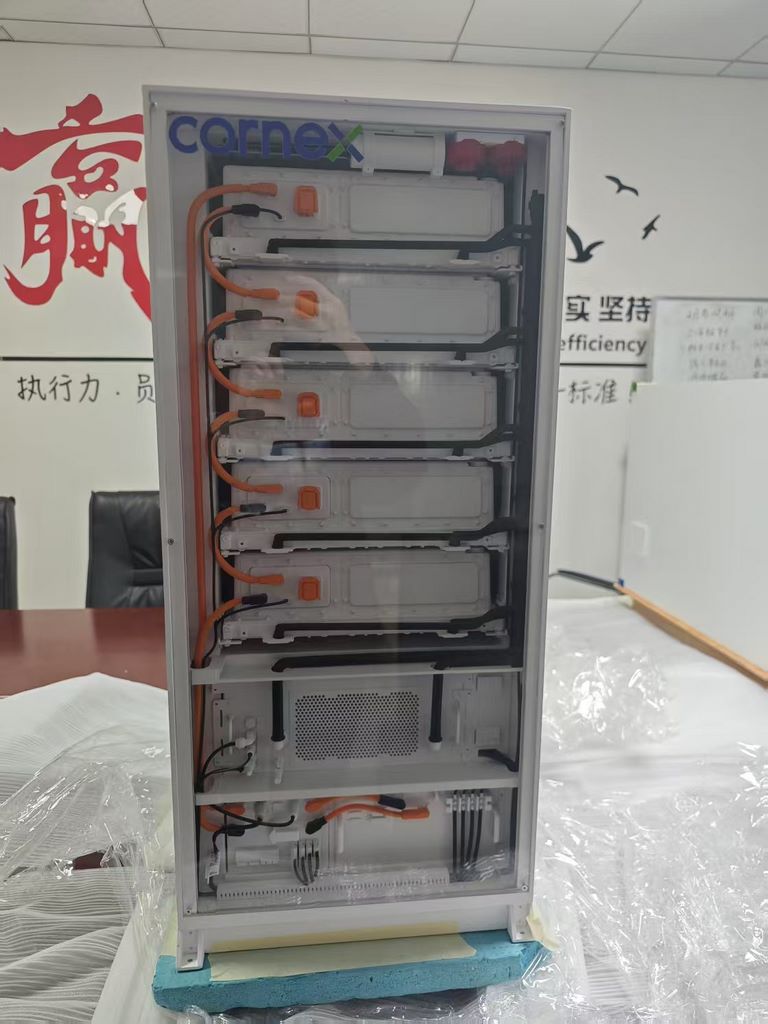
A certain new energy enterprise needs to create a 1:10 scale energy storage cabinet display model for exhibition promotion and customer experience, requiring a high degree of reproduction of the industrial design details and texture of real products.
1、 Material selection
1. Main framework
Aviation grade ABS board: used for the main structure of cabinets, with a thickness of 3mm, balancing strength and lightweight.
Acrylic transparent board: simulated tempered glass observation window, thickness 2mm, laser cut and frosted treatment.
two
Functional components
Brass etching plate: restores precision components such as heat dissipation grilles and buttons, with a thickness of 0.5mm.
Nylon 3D printed parts: making complex curved parts such as ventilation fans and interface terminals.
3. Auxiliary materials
Magnetic attraction component: realizes cabinet door opening and closing (neodymium magnet embedded in ABS door panel).
Metal etched signs: Reproduce brand logos and safety warning signs.
2、 Core manufacturing process
1. Precision CNC machining
The six sided panel of the cabinet is made of ABS sheet metal and formed by five axis CNC milling. The edges and corners are chamfered by 0.5mm, accurately reproducing the bending effect of real machine sheet metal.
The side panel heat dissipation hole array is replicated using stamping molds, with a hole diameter of 1.2mm and an error of ≤ 0.05mm.
2. Layered assembly structure
Internally, laser cut oak boards are used to create a layered framework, dividing the battery module area and control unit area (with reserved LED light wiring slots).
Detachable top cover design, secured with hidden snap fasteners for easy display of internal structure.
3. Surface texture treatment
Sandblasting treatment of the main cabinet: 120 mesh diamond sand is used to create a metallic frosted texture.
Bottom anti slip pattern: The silicone mold is flipped to make a PU rubber pad that fits the anti slip design of real equipment.
4. Detail enhancement
Cable interface: Use 0.2mm enameled wire to imitate the wiring harness, and connect the end to a 3D printed aviation plug.
Safety lock: Micro spring lock structure, brass lock tongue can actually rotate.
3、 Post coating and aging
1. Base color treatment
Spray gray epoxy primer on the entire cabinet to fill small scratches and enhance adhesion.
2. Color separation spraying
Main cabinet: Matte deep space gray metallic paint (with 5% aluminum powder added to enhance particle feel).
High voltage warning zone: hand-painted yellow and black diagonal warning tape, with a mask spray coating to ensure sharp boundaries.
Brand logo: UV transfer chrome plated lettering, with slightly corroded edges to prevent reflection.
3. Aging process
Dry sweeping technique: Lightly sweep the edge of the heat dissipation port with silver model paint to simulate metal wear.
Staining solution seeping line: The diluted dark brown oil paint seeps into the panel seams to enhance the three-dimensional effect.
4. Protective treatment
The overall coating is matte protective paint, and the local operation area is spot coated with gloss oil to simulate a real machine touch panel.
4、 Key points of restoration control
Proportional calibration: Obtain key dimensions through 3D scanning of the real machine and correct model tolerances.
Dynamic element: Built in micro motor drives the fan to rotate at low speed (speed ≤ 200rpm).
Visual deception: The battery module area is layered with ABS boards engraved with cell textures, and the back is covered with a blue gradient film to simulate LED status lighting effects.


