Ocean research vessel model manufacturing factory
1、 Material selection and basic construction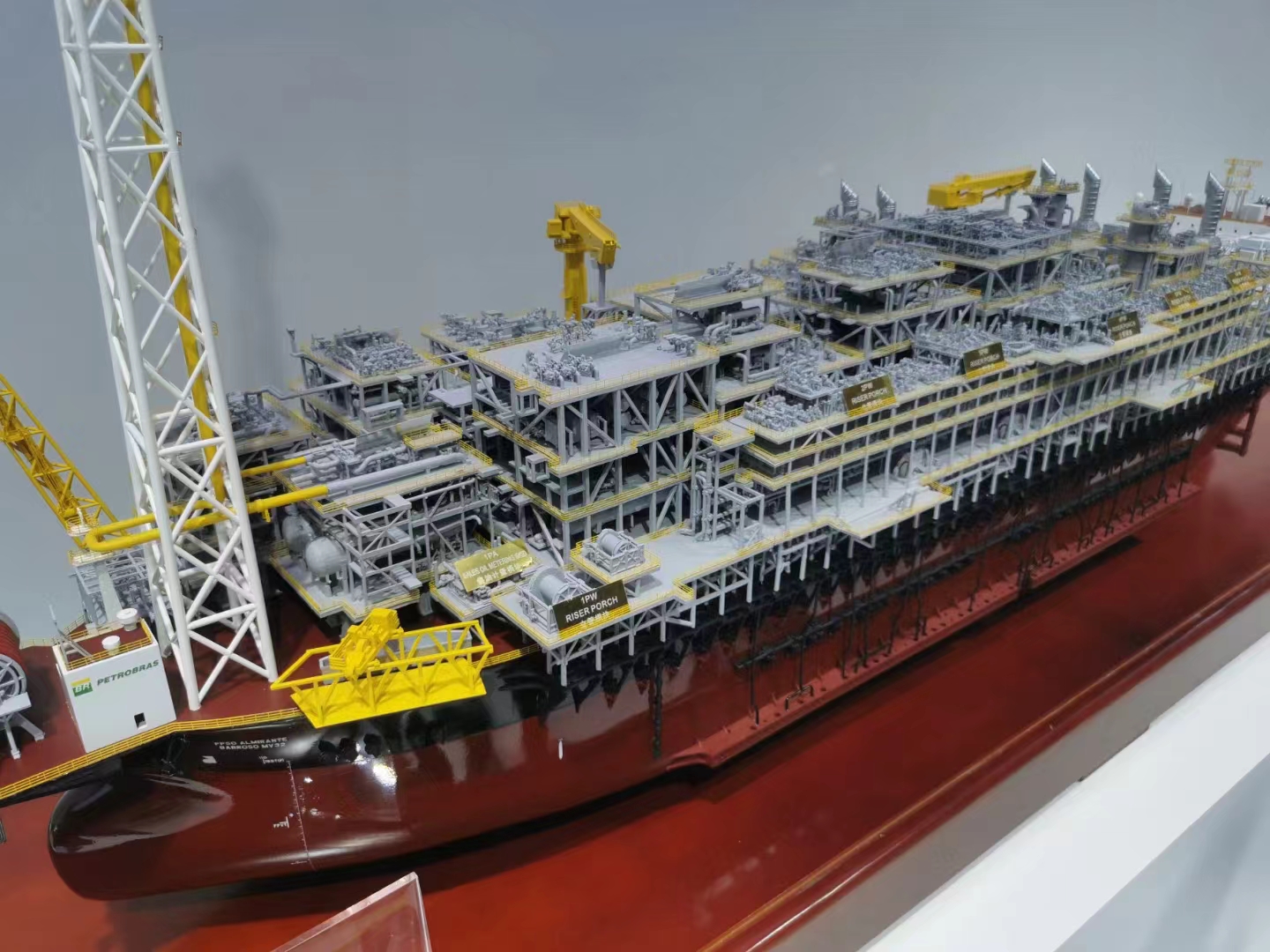
Using ABS sheet with a 1:100 ratio as the main material for the hull, it combines toughness and ease of processing. By using laser cutting technology to restore the outline of the design drawings, the hull adopts the "skinning method" for layered bonding: first, a 2mm thick plate is used to make the keel frame, and then a 0.5mm thin plate is horizontally wrapped to form a streamlined surface. The joints are repeatedly polished with 800 grit sandpaper and soil filling until completely smooth. The deck is made of grapefruit wood grain PVC board, and anti slip patterns are manually carved with a carving knife. A parallel groove with a depth of 0.2mm is carved every 5mm.
2、 Detail craftsmanship processing
The superstructure adopts the "modular assembly" process, which splits the radar tower, laboratory cabin and other components into 36 independent units. The portholes are embedded with 0.3mm transparent acrylic sheets, and the window frames are made of copper etched sheets to express a metallic texture. The most challenging boom structure uses brass tubes for heating, bending, and shaping. The joint parts are fixed with micro pliers, and the joints are filled with 502 glue mixed with copper powder. The ship anchor chain is disassembled and reassembled from 0.8mm silver chains, with each chain link manually opened and closed using tweezers.
3、 Color Art Expression
Adopting the "three-stage aging method" for painting: first spray white water filled soil primer, and use GSI ocean gray (H331) and deck orange (H220) as the main colors for color separation spraying. In the second stage, a mixture of oil paint brown and coal black is used for filter treatment, and simulated rust is applied to the rivets. Finally, use a powder stick to create a salt spray effect: scrape the white powder into fine powder, dip it in a flat tipped pen, and lightly sweep it onto the seam of the ship's side. The part below the waterline of the ship is specially treated, first coated with anti fouling paint on a red background, and then covered with semi transparent seaweed green stain solution to create a sense of biological adhesion.
4、 Dynamic effect enhancement
To enhance realism, a miniature LED light group is installed inside the chimney and connected to the button battery compartment at the bottom of the ship through a 0.2mm enameled wire. The smoke effect is achieved by tearing degreased cotton into a flocculent state and impregnating it with gray pigment. A movable propeller is made at the stern of the ship, using 0.3mm bearings and a micro motor to control the speed at 200 revolutions per minute to simulate cruising. Specially installing magnetic suction devices on the ship's hull can replace research equipment pods in different states.


