Sand Table Model LED Light Replacement
Introduction
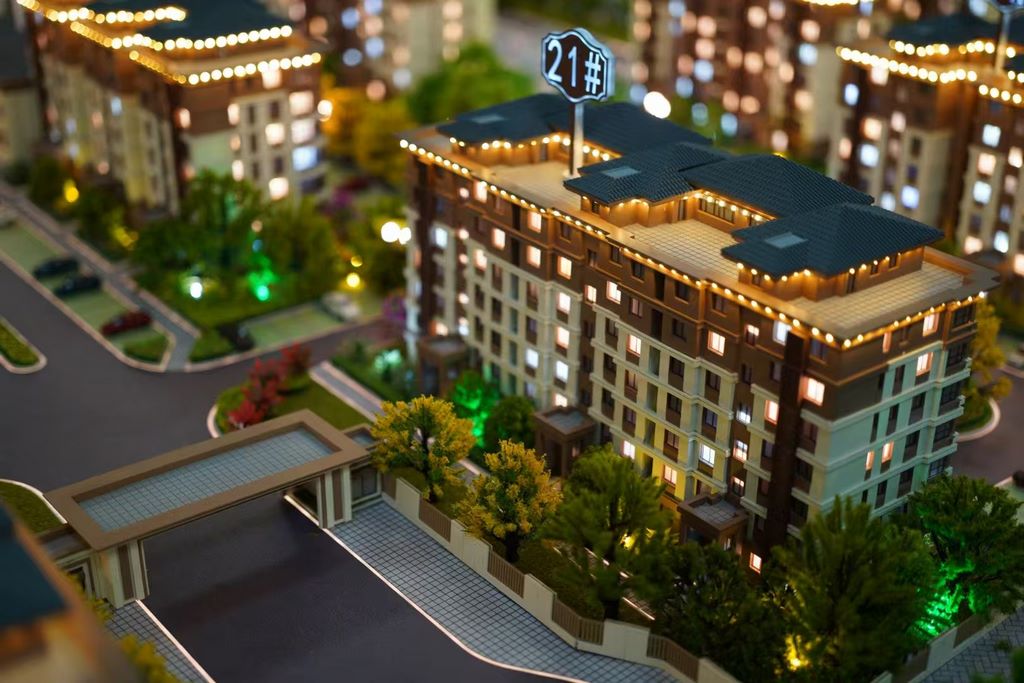
A sand table model without lights loses its magic.
Dark buildings sink into the background.
Transit corridors become invisible.
Water features look flat and lifeless.
LEDs are the lifeblood of modern architectural models.
They simulate day‑night cycles, highlight transit routes, and bring glass facades to life.
But LEDs fail. Wires corrode. Controllers malfunction.
That is when you needSand Table Model LED Light Replacement.
This guide explains how professional LED replacement works.
What types of LEDs are used in architectural models.
And how to restore your model’s illumination without damaging surrounding details.
Let us begin.
Why Sand Table Model LEDs Need Replacement
Architectural models use tiny, delicate LEDs.
Micro‑LEDs (SMD 0402 and 0603) are the most common.
An 0402 LED measures only 1mm long by 0.5mm wide – smaller than a grain of rice.
These miniature lights fail for several reasons:
Burnout– After 30,000–50,000 hours, LEDs simply wear out.
Soldering failure– Vibration during transport or cleaning can crack solder joints.
Corrosion– Humidity or spilled liquids damage connections.
Physical damage– A bumped building can snap a wire or crush a micro‑LED.
When lights fail, the model loses its impact.
ATransparent Glass Building Sand Modeldepends on backlighting to make acrylic curtain walls glow.
ASimulation Water Landscape Sand Table Modelrelies on embedded fiber optics and sub‑water LEDs for shimmer and depth.
Common Types of LEDs in Sand Table Models
SMD 0402 Micro‑LEDs
The smallest and most common.
Used for interior room lights, streetlights, and fine accent lighting.
Requires fine‑tip soldering under magnification.
SMD 0603 LEDs
Slightly larger and easier to work with.
Often used for transit line strips, building outlines, and pathway markers.
Pre‑wired Micro LEDs
For simpler repairs, pre‑wired 0402 and 0603 LEDs are available with 20‑30cm leads, soldered to 3V specifications. These plug‑and‑play components are ideal for quick replacement in architectural displays, hobby dioramas, and model train layouts.
Flexible LED Strips
Used for road edges, roof perimeters, and transit corridors.
Cut to length and soldered at connection points.
Fiber Optics
Not LEDs themselves, but often paired with a single high‑brightness LED source.
Fiber strands distribute light to streetlights, water ripples, and star‑field ceilings.
If the source LED fails, the entire fiber network goes dark.
Professional LED Replacement Process
Step 1 – Diagnosis and Failure Analysis
A technician examines the model under normal and UV light.
They check:
Which zones are dark (individual building, whole street, entire transit line).
Wiring connections – look for corrosion or breaks.
Controller output – voltage at each zone.
For large models, the technician uses a multimeter to trace power from the supply through each junction.
Step 2 – Accessing the Failed LED
The hardest part ofSand Table Model LED Light Replacementis reaching the failed component.
LEDs are often embedded deep within the model:
Behind acrylic curtain walls.
Under resin water features.
Inside hollow building cores.
The technician may need to:
Remove a building section.
Lift a landscaped area (trees, grass) using a palette knife.
Access wiring channels under the base.
For aTransparent Glass Building Sand Model, acrylic panels must be carefully detached without cracking.
This requires the same care as theArchitectural Model Surface Polishing Process– any scratch on the acrylic will be visible under lighting.
Step 3 – LED Extraction
Using fine‑tip tweezers and a low‑wattage soldering iron (15‑25W), the technician removes the failed LED.
They note the polarity (anode and cathode orientation) – LEDs are directional.
If the LED is potted in resin (common in water features), the resin may need to be carefully chipped away or dissolved with a solvent that does not damage surrounding materials.
Step 4 – Replacement and Soldering
A matching LED is selected (same size, color temperature, brightness).
For micro‑LEDs, the technician works under magnification (10‑20x).
Solder joints are made with fine rosin‑core solder.
For hard‑to‑reach areas, pre‑wired LEDs are preferable. They come with thin, flexible wires that can be routed through existing channels without bending the LED itself. A small dab of epoxy glue on the connection points prevents wires from breaking off over time.
Step 5 – Testing and Sealing
The power supply is reconnected.
The technician tests the new LED and verifies that adjacent lights were not damaged.
If the LED is in a humid or outdoor location, the connections are sealed with UV‑curing conformal coating or heat‑shrink tubing.
Step 6 – Reassembly and Restoration
Landscaping and building sections are reinstalled.
Any minor damage to acrylic edges or painted surfaces is repaired.
For aTransparent Glass Building Sand Model, theArchitectural Model Surface Polishing Processmay be applied to buff out any scratches from handling. Progressive sanding (320 to 2000 grit) followed by flame or machine polishing restores the acrylic to optical clarity.
Special Cases: Integrated Features
Transparent Glass Building Sand Model
Acrylic curtain walls inTransparent Glass Building Sand Modeldesigns often have LEDs embedded behind the panels.
Replacing these LEDs requires removing the acrylic facade without scratching or cracking it.
The curtain wall units may have undergone vacuum coating to achieve different reflective effects.
Scratches or damage to the coating are not repairable – the entire panel must be replaced.
This is why professional replacement is essential.
Simulation Water Landscape Sand Table Model
Water features in aSimulation Water Landscape Sand Table Modeloften use fiber optics or sub‑water LED strips.
Fiber optic cables are embedded in epoxy resin before curing.
If the source LED fails, the entire fiber network goes dark – but the fibers themselves do not need replacement.
If a sub‑water LED fails, the resin must be carefully drilled or chipped away, the LED replaced, and the resin resealed.
A fresh layer of clear epoxy over the repair area restores the glossy finish.
Urban Model Scene Layout Design
In a model created with thoughtfulUrban Model Scene Layout Design, lighting zones are often programmed to highlight specific districts (residential, commercial, transit).
Replacing LEDs in these models is more complex because the lighting is controlled by a microcontroller (Arduino or DMX).
The technician must reprogram the controller if the new LED has different voltage or current requirements.
Protecting Your Model After LED Replacement
Once the LED replacement is complete, protect your investment.
ACustom Protective Case For Sand Table Modelmade from UV‑blocking acrylic keeps dust off delicate surfaces and prevents accidental damage.
The protective case also reduces the frequency of cleaning, which can loosen wiring or knock delicate LEDs out of alignment.
For models displayed in bright lobbies or near windows, the protective case also blocks UV radiation, extending the life of both LEDs and painted finishes.
Cost Factors for LED Replacement
Number of LEDs– 5 vs. 200.
Access difficulty– Surface‑mounted vs. embedded under resin or behind acrylic.
LED type– Standard 0402/0603 vs. custom programmable RGB.
Controller reprogramming– Simple on/off vs. animated sequences.
Restoration of surrounding details– Repainting, polishing, or resealing after access.
Typical range: 3,000 for a full model re‑lighting with dozens of embedded LEDs.
When to Call a Professional
DIY LED replacement is possible for simple surface‑mounted lights on open models.
But if your model has:
Embedded LEDs under resin water.
Programmable lighting sequences.
Acrylic curtain walls that must remain scratch‑free.
Delicate landscaping that requires removal.
Always call a professionalSand Table Model LED Light Replacementservice.
One wrong move can cause far more damage than the original failure.
Maintaining LEDs for Long Life
Prevent future failures with regular maintenance:
Dust the model– Use compressed air, never a cloth.
Keep the protective case on– Prevents physical damage and dust accumulation.
Monitor power supply– Over‑voltage kills LEDs quickly.
Reduce runtime– Turn off lights when the model is not being viewed.
Conclusion
Sand Table Model LED Light Replacementrestores the brilliance and impact of your architectural miniature.
Whether you are reviving aTransparent Glass Building Sand Modelwith backlit acrylic curtain walls, refreshing the shimmering depths of aSimulation Water Landscape Sand Table Model, or maintaining the carefully designed lighting zones of anUrban Model Scene Layout Design, professional LED replacement keeps your model glowing.
After repair, protect your investment with aCustom Protective Case For Sand Table Modeland apply theArchitectural Model Surface Polishing Processto any acrylic surfaces disturbed during access.
Contact a professional today.
Bring your model back to light.
Ready to restore your sand table model’s LED lighting? Request an assessment with photos of the dark zones. Get a response within 48 hours.


