Sand Table Model Dust Cover Custom Madel
Introduction
Dust is the silent enemy of sand table models.
It settles on painted facades, dulls resin water, and clogs delicate tree foliage.
Once dust accumulates, cleaning becomes risky.
A wrong wipe can break off a hand‑made tree or scratch an acrylic window.
The best protection is prevention.
That is aSand Table Model Dust Cover Custom Made.
This guide explains why a dust cover is essential.
What materials and features to consider.
And how to get one custom‑fitted to your model.
Let us begin.
What Is a Sand Table Model Dust Cover Custom Made?
It is a transparent protective enclosure built specifically for your sand table model.
ASand Table Model Dust Cover Custom Madeis typically fabricated from cast acrylic or polycarbonate.
It sits over the model, sealing out dust, moisture, and accidental touches.
Unlike a one‑size‑fits‑all cover, a custom cover matches your model’s exact dimensions.
It can include ventilation holes, lifting handles, and anti‑glare coatings.
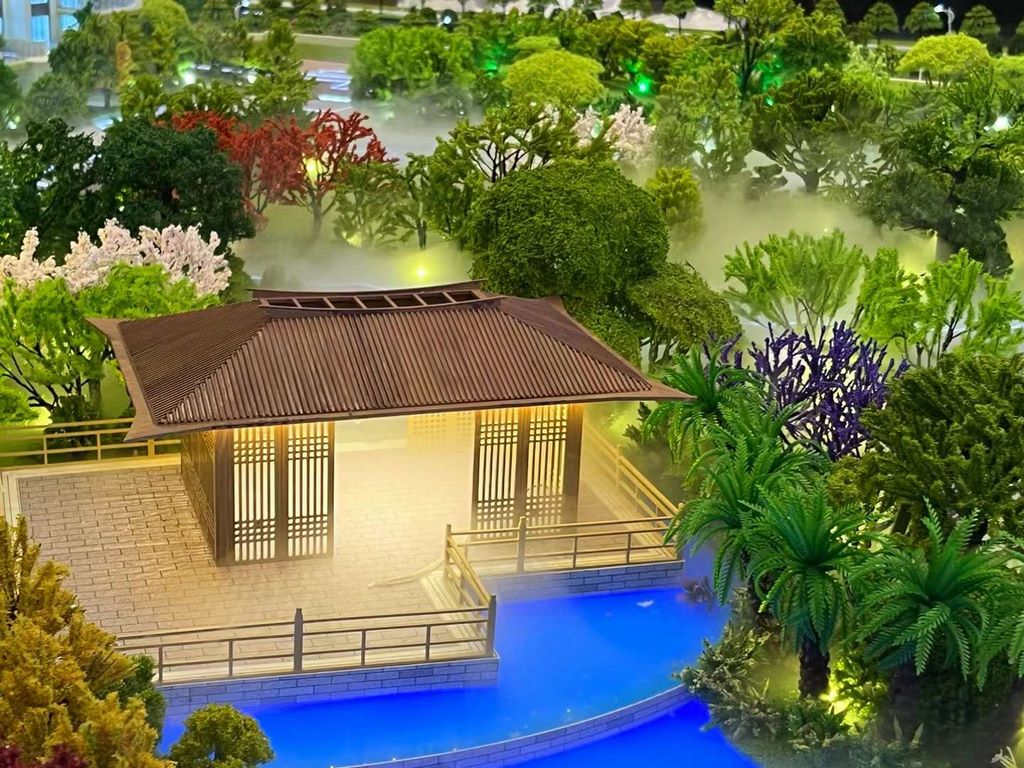
Why Your Sand Table Model Needs a Dust Cover
Dust Prevention
Dust is everywhere.
Within weeks, a model without a cover will look grey and tired.
Cleaning it is time‑consuming and risky.
A cover eliminates the need for frequent cleaning.
Protection from Accidental Damage
In sales centers or museums, visitors may point or touch.
A cover acts as a physical barrier, protecting delicate features created throughHigh Simulation Miniature Model Making.
UV Protection
Acrylic covers can include UV‑absorbing additives.
This slows fading of paints, flocking, and resin water.
Your model’s colors stay vibrant longer.
Humidity Control
A sealed cover reduces moisture exposure.
This is critical for models with wooden frames or MDF bases, which can warp in humid air.
Extended Lifespan
With a cover, your model requires fewer repairs.
It postpones the need forArchitectural Sand Table Model Repair Serviceand reduces the frequency ofUrban Planning Model Maintenance And Restoration.
Materials for Custom Dust Covers
Cast Acrylic (Plexiglas)
The most popular choice.
Crystal clear, lightweight, and easy to fabricate.
Cast acrylic is harder than extruded acrylic and resists scratching better.
Polycarbonate (Lexan)
Much stronger than acrylic – virtually unbreakable.
Used for high‑traffic areas where the cover might be bumped.
However, polycarbonate scratches more easily and costs more.
Anti‑Glare Acrylic
Matte finish on one or both sides.
Reduces reflections in brightly lit exhibition halls.
Ideal for museum displays.
UV‑Blocking Acrylic
Filters harmful ultraviolet light.
Protects paints and flocking from fading.
Essential for models placed near windows.
Key Features of a Custom Dust Cover
Exact Fit
The cover should sit flush on the base or slightly overlap.
Gaps allow dust to enter.
A recessed lip or gasket creates a near‑airtight seal.
Ventilation
If your model includesLED Lighting Sand Table Model Installation, LEDs generate a small amount of heat.
Small ventilation holes (covered with fine mesh) prevent heat buildup while keeping dust out.
Handles
Integrated acrylic handles or suction cups for lifting.
Avoid drilling holes that weaken the cover – use bonded handles.
Removable or Hinged
For models that need regular access (e.g., to turn LEDs on/off), a hinged cover or a separate lift‑off cover is best.
Edge Finish
Polished edges look professional and reduce sharp corners.
Flame‑polished edges are smooth but may show slight waviness.
Machine‑polished edges are perfectly flat.
How to Order a Custom Dust Cover
Step 1 – Measure Your Model
Measure the length, width, and height of your model at its tallest point (including any flagpoles or antennas).
Add 2–5cm clearance to avoid contact.
Step 2 – Choose Material and Thickness
Small models (under 1m) – 3mm acrylic.
Medium models (1–2m) – 4–5mm acrylic.
Large models (over 2m) – 6mm acrylic or polycarbonate, with reinforced corners.
Step 3 – Specify Features
UV filtering?
Anti‑glare coating?
Handles?
Ventilation holes?
Sealing gasket?
Step 4 – Provide CAD Drawing or Template
For complex shapes (L‑shaped models, irregular bases), provide a drawing or paper template.
Step 5 – Fabrication and Delivery
A professional shop will laser‑cut or CNC‑router the acrylic panels.
Edges are polished, and panels are assembled with solvent cement or hinge hardware.
Shipping requires foam‑lined crates to prevent scratching.
Integrating the Dust Cover with Your Model
Wooden Frame Models
For aWooden Frame Architectural Sand Table Model, the cover can sit inside a routed groove on the frame.
This creates a flush, elegant appearance.
Metal Frame Models
For large models on aMetal Structure Urban Planning Sand Model, the cover may be attached with magnetic strips or clamps to the metal frame.
Models with Tall Features
If your model has tall buildings or trees, the cover must be high enough.
For very tall features (over 60cm), consider a two‑piece cover with a seam.
Models with LED Lighting
A cover with ventilation is essential forLED Lighting Sand Table Model Installation.
Some models use a low‑profile fan to circulate air through the cover.
Case Study: Custom Cover Extends Model Life by 10 Years
A real estate developer had a large master plan model in their sales center.
After two years, the model was covered in dust, and several trees had broken off during cleaning.
They ordered aSand Table Model Dust Cover Custom Madefrom 6mm UV‑blocking acrylic with lift‑off handles.
Five years later, the model looked nearly new.
No further repairs were needed.
The cover paid for itself many times over.
Cost Factors for Custom Dust Covers
Size– Larger covers cost more due to material and fabrication.
Material– Acrylic is cheaper than polycarbonate. UV and anti‑glare add 10–20%.
Thickness– 3mm is cheapest; 6mm is more expensive.
Complexity– L‑shaped or irregular covers cost more.
Features– Handles, hinges, ventilation holes add cost.
Typical range: 2,000 for a large 3m x 2m cover with UV filtering and handles.
Maintenance of the Dust Cover Itself
Clean the cover with a microfiber cloth and acrylic‑safe cleaner.
Never use ammonia‑based glass cleaners – they damage acrylic.
Inspect seals and hinges annually.
If the cover becomes scratched, it can be polished with fine sandpaper (2000 grit) and buffing compound.
Common Mistakes to Avoid
Donotuse a cover without ventilation if your model has LEDs – heat can soften acrylic.
Donotmake the cover too tight – thermal expansion needs a small gap.
Donotuse adhesive tapes to attach handles – they fail over time. Use bonded or bolted handles.
Donotforget to specify edge finishing – sharp edges can cut hands.
When to Replace a Dust Cover
Scratches that cannot be polished out.
Yellowing (occurs after 5–10 years for non‑UV‑stabilized acrylic).
Cracks or chips.
Warping from heat exposure.
Future Trends in Dust Covers
Anti‑static coatings– Repels dust more effectively.
Integrated lighting– LED strips in the cover frame for even illumination.
Smart covers– Sensors that detect when the cover is removed and adjust model lighting.
Conclusion
ASand Table Model Dust Cover Custom Madeis a small investment that protects a much larger asset.
It prevents dust damage, reduces cleaning risks, and prolongs the life of your model.
Whether your model featuresHigh Simulation Miniature Model Making, has needed anArchitectural Sand Table Model Repair Servicein the past, requires ongoingUrban Planning Model Maintenance And Restoration, includesLED Lighting Sand Table Model Installation, or showcases intricateSand Table Model Landscape Decoration Craft, a custom dust cover is essential.
Order a cover today.
Give your model the protection it deserves.
Ready to order a custom dust cover for your sand table model? Send your measurements and specifications. Get a quote within 48 hours.


