Sand Table Model Component Replacement
Introduction
Sand table models are not forever.
Trees fall off. Buildings break. Road markings fade.
You could replace the entire model.
But that is expensive and wasteful.
Instead, replace only the damaged parts.
That isSand Table Model Component Replacement.
This guide explains which components can be replaced.
How professionals match original materials and colors.
And when to call for help.
Let us begin.
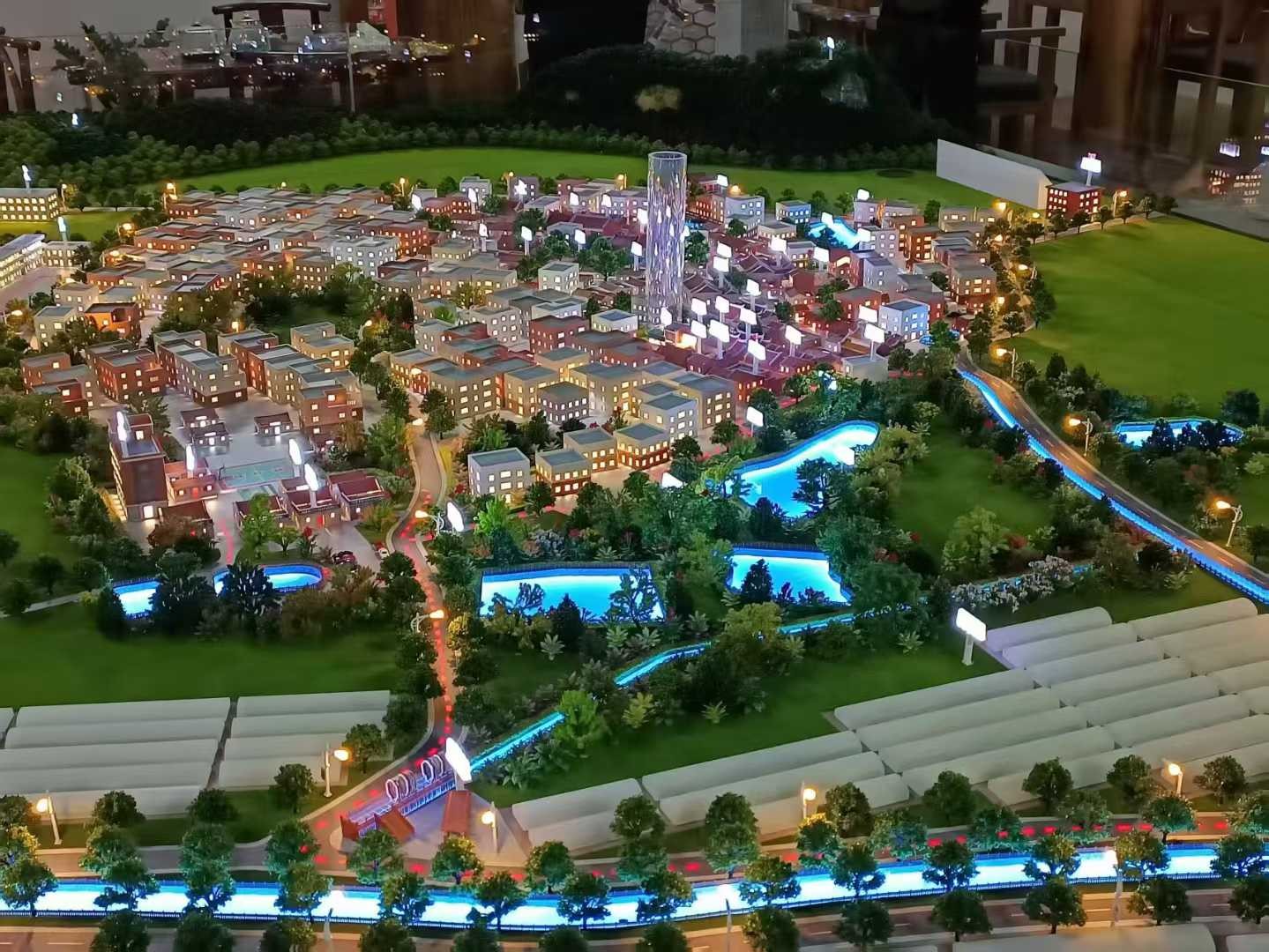
What Is Sand Table Model Component Replacement?
It is a specialized service that fabricates and installs new components to replace broken, missing, or worn‑out parts of a sand table model.
Sand Table Model Component Replacementincludes:
Replacing broken buildings or walls.
Adding missing trees, shrubs, and bushes.
Repairing or replacing road sections and lane markings.
Swapping faded or yellowed water features.
Updating outdated elements (new buildings, new roads).
The goal is to restore the model without rebuilding everything.
Why Replace Components Instead of the Whole Model?
A full replacement costs 3–5 times more than component replacement.
Component replacement preserves the original craftsmanship.
It is faster – days or weeks instead of months.
ForAcrylic Material Architectural Scale Modelpieces, component replacement is especially cost‑effective.
Acrylic windows or water panels can be swapped without affecting surrounding structures.
Common Components That Need Replacement
Trees and Shrubs
Trees are the most fragile part of any model.
They snap off during cleaning or transport.
AModel Landscape Tree And Road Customservice can fabricate matching hand‑made trees or 3D printed replicas.
Buildings and Structures
A bumped table can knock a building loose.
If the original CAD files are available, aHand Crafted Architectural Sand Table Modelartisan can rebuild it.
For machine‑made models, laser‑cut or 3D printed replicas are possible.
Road Sections
Roads crack, lift, or fade.
New road sections are laser‑cut from matching material (acrylic, MDF, or PVC).
Lane markings are reapplied using stencils or printed vinyl.
Water Features
Resin water can yellow or crack.
Old resin is removed, and new clear epoxy is poured.
ForAcrylic Material Architectural Scale Modelwater features, a new acrylic panel with engraved wave patterns replaces the old one.
LED Lights and Wiring
Burnt‑out LEDs are replaced individually.
If the wiring harness is damaged, a new one is installed.
This is part ofSand Table Model Color Restoration Servicewhen repainting accompanies lighting repairs.
Paint and Finishes
Faded paint is not a component – but often replaced during component work.
ASand Table Model Color Restoration Servicematches original colors and repaints new components before installation.
The Component Replacement Process
Step 1 – Assessment and Identification
You provide photos of the damaged or missing parts.
The technician identifies the original material and fabrication method.
Step 2 – Digital or Manual Replication
If original CAD files exist, new parts are laser‑cut or 3D printed.
If not, aHand Crafted Architectural Sand Table Modelartisan recreates the part by hand, matching proportions and textures.
Step 3 – Color Matching
New components are painted to match the original model.
ASand Table Model Color Restoration Serviceensures the new paint blends seamlessly with old surrounding colors.
Step 4 – Removal of Old Component
Damaged parts are carefully removed.
Adhesive residues are cleaned.
Step 5 – Installation
New components are glued or screwed into place.
For trees, holes are drilled, and the trunk is secured with UV‑curing cement.
For roads, sections are aligned and adhered.
Step 6 – Blending and Finishing
Edges of new components are blended with surrounding terrain using ground texture or flocking.
The entire repaired area is sealed.
Step 7 – Final Inspection
The model is examined under normal lighting.
Color and texture match are verified.
Cost Factors for Component Replacement
Component complexity– Simple tree vs. detailed building.
Replication method– Handcrafted costs more than 3D printing.
Color matching difficulty– Standard colors are easy; custom mixes add cost.
Accessibility– Easy‑to‑reach parts cost less.
Quantity– One tree vs. 50 trees.
Typical range: 2,000 for a complex building replacement.
When to Replace vs. Restore vs. Refurbish
Replace– The component is missing or beyond repair.
Restore– The component exists but is faded or slightly damaged (useSand Table Model Color Restoration Service).
Refurbish– The entire model needs comprehensive updating (use fullUrban Planning Model Maintenance And Restoration).
Protecting New Components After Replacement
Once new components are installed, protect them from future damage.
ASand Table Model Dust Cover Custom Madekeeps dust off delicate trees and road markings.
It also prevents accidental snagging of new elements during cleaning.
Integration with Other Services
Component replacement often accompanies other restoration services.
Model Landscape Tree And Road Customprovides new trees and road sections.
Sand Table Model Color Restoration Serviceensures new parts match old colors.
Hand Crafted Architectural Sand Table Modelartisans rebuild missing handmade elements.
Acrylic Material Architectural Scale Modelspecialists replace cracked acrylic windows or water panels.
Sand Table Model Dust Cover Custom Madeprotects the repaired model.
Case Study: Replacing 50 Missing Trees After a Move
A real estate developer moved their sales center to a new location.
During transit, 50 trees broke off a large master plan model.
They hired aSand Table Model Component Replacementservice.
The team used reference photos to recreate the exact tree species and sizes.
Each tree was hand‑made using wire and flocking, then painted to match original colors.
The model was restored within two weeks.
Cost was 10% of replacing the entire model.
Common Mistakes to Avoid
Donottry to match paint by eye without a color reference – it will not match.
Donotuse super glue on acrylic components – the fumes fog surfaces.
Donotplant new trees without drilling pilot holes – forcing them cracks the base.
Donotskip sealing new painted parts – they will fade faster than the original.
Future Trends in Component Replacement
3D scanning for exact replication– Scan a surviving building to create a printable file.
On‑site replacement services– Technicians repair models at your location.
Modular component libraries– Pre‑made, standardized parts for common model types.
Conclusion
Sand Table Model Component Replacementextends the life of your model economically.
Replace only what is broken.
Match materials and colors precisely.
Protect your investment with a dust cover.
Whether your model featuresAcrylic Material Architectural Scale Modelpanels, needsSand Table Model Color Restoration Servicefor matching new parts, includesHand Crafted Architectural Sand Table Modelelements, is protected by aSand Table Model Dust Cover Custom Made, or uses customModel Landscape Tree And Road Customcomponents, professional replacement services keep your model presentation‑ready.
Contact a specialist today.
Send photos of the damaged parts.
Get a replacement quote.
Ready to replace missing or damaged components in your sand table model? Request an assessment with photos of the parts. Get a response within 48 hours.


