Hand Crafted Architectural Sand Table Model
Introduction
Machines cut quickly.
But they cannot add soul.
A hand crafted model carries the mark of the artisan.
Every cut, every paint stroke, every glued branch tells a story.
That is the essence of aHand Crafted Architectural Sand Table Model.
This guide explains why handcrafting still matters.
What techniques define this ancient craft.
And how to commission a unique piece that stands apart.
Let us begin.
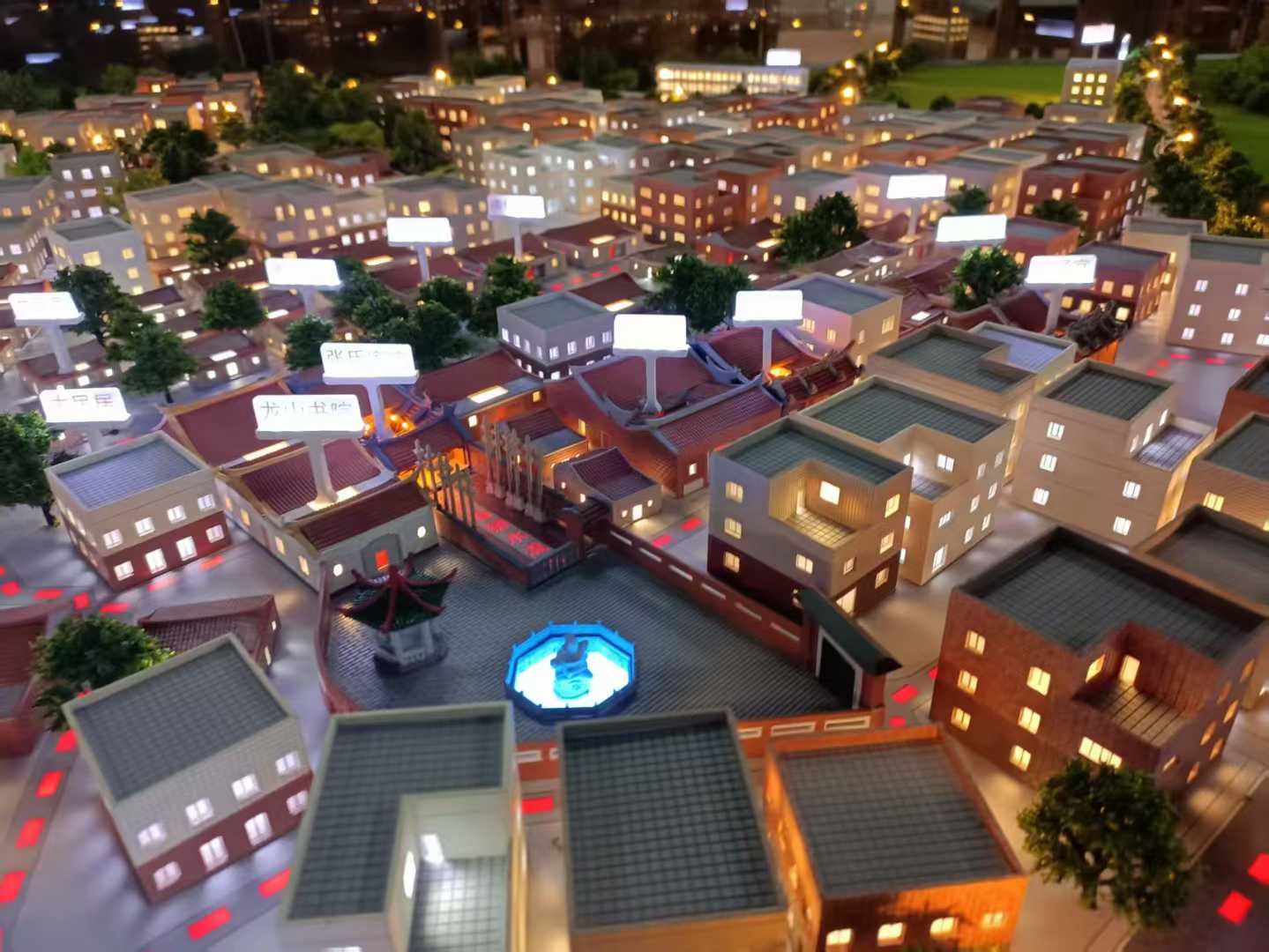
What Is a Hand Crafted Architectural Sand Table Model?
It is a physical miniature built primarily by human hands.
Not laser cut, not 3D printed – though those may assist in small parts.
AHand Crafted Architectural Sand Table Modeluses traditional tools:
X‑Acto knives, fine sandpaper, metal rulers, and airbrushes.
Materials are cut, shaped, and assembled manually.
Imperfections are intentional – they add warmth and realism.
This is not mass production.
Each model is unique.
Why Handcrafting Still Matters in a Digital Age
Digital fabrication is fast and precise.
But it can feel sterile.
AHand Crafted Architectural Sand Table Modeloffers something else: character.
Wood grain shows through paint.
Hand‑cut acrylic has subtle bevels.
Trees are twisted from wire and flocked individually.
For heritage projects, artisanal presentations, or one‑of‑a‑kind designs, handcrafting is irreplaceable.
Also, handcrafted models allow for spontaneous adjustments.
The maker sees a problem and solves it on the spot – no CAD update needed.
The Artisan’s Toolkit
Hand Cutting
Using a sharp blade and a metal straightedge.
Clean cuts require skill – one slip ruins the piece.
Sanding and Shaping
From coarse to fine grit.
Corners are softened, edges are eased.
Hand Painting
Airbrushing for smooth gradients.
Brush painting for tiny details like window mullions or door handles.
Sculpting Terrain
Clay, foam, or plaster shaped by hand.
No CNC – just eye and knife.
Individual Tree Making
Wire twisted for trunks.
Flocking applied in layers.
Each tree is unique – part ofModel Landscape Tree And Road Customat its most authentic.
Gluing and Assembly
Precision placement by hand.
No jigs – the artisan’s eye ensures alignment.
The Handcrafted Production Process
Step 1 – Study the Drawings
The artisan studies blueprints or sketches.
No CAD – just paper and understanding.
Step 2 – Cut and Shape Components
Walls are scored and snapped from styrene or wood.
Roofs are cut with a bevel.
Step 3 – Assemble the Shell
Parts are glued with solvent or wood glue.
Clamps hold pieces while drying.
Step 4 – Hand Paint
Base colors are airbrushed.
Details like bricks, windows, and shadows are hand‑brushed.
Step 5 – Add Landscaping
Terrain is sculpted from clay or plaster.
Trees are made wire by wire.
Flocking is sprinkled by hand.
Step 6 – Final Detailing
Tiny signs, benches, and light poles are added.
The model is given a protective clear coat.
Step 7 – Quality Check by Eye
No digital calipers – the artisan steps back and looks.
Adjustments are made intuitively.
Materials in Handcrafted Models
Handcrafted models use materials that respond well to hand tools.
Basswood or balsa– Soft, easy to cut, takes paint well.
Styrene plastic sheet– For crisp, modern buildings.
Brass or copper sheet– For fine railings and ornaments.
Polymer clay– For sculpted details.
Wire and flocking– For handmade trees.
Plaster or foam– For terrain.
Even when anAcrylic Material Architectural Scale Modelis produced by machine, a handcrafted model may use acrylic for windows, cut and polished by hand.
Caring for Your Handcrafted Model
Handcrafted models are delicate.
They require regular attention.
Cleaning
Use compressed air only – never wipe.
Dust settles in crevices and on hand‑painted surfaces.
Repairs
Over time, trees may break or paint may fade.
AnArchitectural Sand Table Model Repair Servicecan replace broken elements using matching hand‑crafted techniques.
Color Refresh
Fading occurs even in the finest hand‑painted models.
ASand Table Model Color Restoration Servicecan match original colors and repaint faded areas, preserving the artisan’s original work.
Regular Maintenance
Urban Planning Model Maintenance And Restorationincludes annual inspections, re‑gluing loose parts, and re‑sealing painted surfaces.
Protection
Dust is the enemy of hand‑painted details.
ASand Table Model Dust Cover Custom Madefrom UV‑blocking acrylic keeps your handcrafted model clean and protected.
Applications for Handcrafted Models
Heritage and Restoration Projects
Digital models look too clean.
Handcrafting captures the patina and imperfection of old buildings.
Luxury Real Estate Sales Centers
For ultra‑premium properties, a handcrafted model signals exclusivity.
Museum Exhibits
Historical dioramas need the warmth of handcrafting.
CustomModel Landscape Tree And Road Customelements ensure period‑accuracy.
One‑Off Design Competitions
A handcrafted model stands out among digital entries.
Case Study: Handcrafted Model for a Historic Estate
A historic estate needed a miniature for a visitor center.
The original buildings had irregular stonework and aged wood.
They commissioned aHand Crafted Architectural Sand Table Model.
The artisan hand‑carved each stone block from polymer clay.
Roof tiles were individually cut and painted.
Trees were twisted to match the estate’s ancient oaks.
The model was so realistic that visitors asked if it was a photograph.
Cost Factors for Handcrafted Models
Detail density– More hand‑cut parts = more time.
Material choice– Basswood is cheap; brass is expensive.
Painting complexity– Airbrush only vs. hand‑painted bricks.
Terrain sculpting– Flat site vs. rolling hills.
Trees– 20 handmade trees vs. 200.
Typical range: 50,000 for a highly detailed estate with extensive hand‑painting and landscaping.
How to Commission a Handcrafted Model
Look for a portfolio of handcrafted work– You should see brush strokes and individual tree details.
Ask about their toolset– Real artisans use blades, not just lasers.
Request a small sample– A hand‑cut corner with paint.
References– Call past heritage or art clients.
Common Mistakes to Avoid
Donotexpect perfect symmetry – handmade models have character.
Donotrush the maker – handcrafting takes time.
Donotuse for mass production – handmade is for unique pieces only.
Future of Handcrafted Models
Handcrafted models will never disappear.
They serve a niche: emotional, unique, authentic.
Trends include hybrid models – laser‑cut cores with hand‑finished surfaces.
As digital becomes common, handmade becomes rare and precious.
Conclusion
AHand Crafted Architectural Sand Table Modelis more than a representation.
It is a piece of craft.
Choose handcrafted when you need soul, character, and authenticity.
Work with a skilled artisan.
Respect the time required.
Whether you are preserving aAcrylic Material Architectural Scale Modelwith hand‑finished details, need aSand Table Model Color Restoration Serviceto refresh an old piece, followUrban Planning Model Maintenance And Restorationschedules, protect your model with aSand Table Model Dust Cover Custom Made, or commissionModel Landscape Tree And Road Customfor a period‑accurate scene, the human touch remains irreplaceable.
Contact an artisan today.
Share your vision.
Get a handcrafted quote.
Ready to commission a hand crafted architectural sand table model? Request a consultation with your reference images. Get a response within 48 hours.


