Ship model making
Ship model making
Ship model making is a specialized service that integrates craftsmanship, industrial aesthetics, and display value. It is adapted to various scenarios such as exhibition halls, industry exhibitions, maritime science popularization, and brand displays. Based on real ships, through precise replication and fine polishing, the magnificent forms and core structures of various ships are transformed into intuitive and three-dimensional models, becoming an important carrier for showcasing maritime strength, conveying ship culture, and showcasing corporate style. It combines aesthetics and professionalism, and is suitable for various maritime related display needs.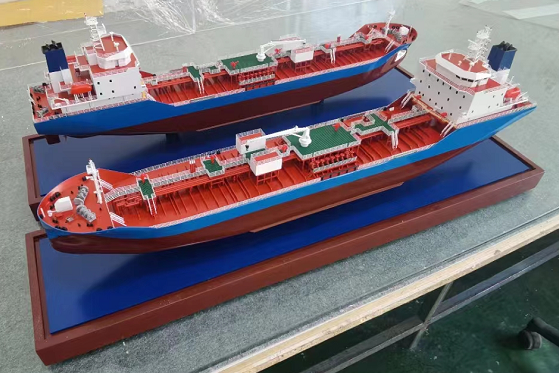
The production of ship models follows the core principles of "precise reproduction, texture presentation, and adaptive display", covering all types of ships such as cargo ships, passenger ships, cruise ships, warships, yachts, and engineering ships. In the early stage of production, the team deeply connects with customer needs, obtains core information such as official ship drawings, dimensional parameters, and exterior coatings, and accurately collects detailed data such as ship hull curvature, deck layout, mast structure, and propulsion system through 3D scanning and detailed surveying, ensuring that the model is highly compatible with the real ship. During the production process, high-quality materials such as resin, ABS plastic, and metal are carefully selected, combined with laser cutting, 3D printing, manual finishing, professional painting, and other processes. This not only accurately replicates the core structure and details of the ship, but also pays attention to surface texture and visual presentation, restoring the ship's painting patterns, logo, and porthole layout, making the model both technically and aesthetically pleasing.
Unlike ordinary craft ornaments, display ship models focus more on "visual texture" and "highlighting core highlights". According to the differences in display scenarios, the scale and shape of the model can be flexibly adjusted. Small models are exquisite and portable, suitable for exhibition hall display and desktop display, highlighting the texture of details; Large scale models are magnificent and suitable for industry exhibitions and maritime exhibition halls, restoring the overall appearance of ships. Some models can be added with simple dynamic effects, simulating propeller rotation, lighting, etc., to enhance the fun and attractiveness of the display, allowing viewers to quickly capture the core features and artistic beauty of ships.
As the core carrier of display, the display value of ship models is particularly prominent. At maritime exhibitions, exquisite models can quickly attract the audience's attention, intuitively convey the design highlights and technological advantages of ships, and help related enterprises stand out among competitors; In the corporate exhibition hall, models can serve as a visual representation of brand strength, clearly presenting the company's shipbuilding capabilities and product system, and demonstrating a rigorous and professional development philosophy; In science popularization and exhibition venues, models can simplify and present complex ship structures, convey maritime culture and ship knowledge, and have both display and science popularization value.
The production of ship models is not only a precise replica of real ships, but also a vivid interpretation of craftsmanship. It condenses various types of ships in the vast ocean into a square inch with exquisite craftsmanship, precise reproduction, and exquisite presentation, meeting the core needs of various display scenarios and showcasing the technological charm and cultural connotation of the maritime industry. It has become an important help for maritime related enterprises, exhibition halls, and scientific institutions to showcase their brands, convey values, and popularize culture.


