Engine model production
Engine model production
1、 Conceptual decomposition of engine model production
Engine model making refers to the process of creating three-dimensional models based on various types of engines such as gasoline engines, diesel engines, and new energy motors, scaled at a scale of 1:5 to 1:20, and integrating mechanical processing, manual shaping, dynamic simulation, and other technologies to accurately replicate core components such as engine cylinder blocks, pistons, crankshafts, camshafts, and work cycle processes. Its core characteristic is the combination of "refined structure" and "visual working principle", which is different from ordinary static ornaments. It focuses on simulating piston reciprocating, crankshaft rotation, valve opening and closing through mechanical linkage. Some high-end models can achieve functions such as fuel injection and ignition demonstration. It is the core carrier for mechanical engineering teaching and training, automotive technology promotion, collection and display, and science popularization display.
From the perspective of production objects, it covers categories such as passenger car engines, commercial vehicle engines, aviation engines, and new energy drive motors. It can focus on the core structure of a single machine or be combined with a gearbox and cooling system to present a complete powertrain; In terms of application scenarios, it is widely used for practical teaching in mechanical vocational colleges, technical training for automobile manufacturers, promotion of engine enterprise exhibitions, exclusive production for mechanical collectors, and technology exhibitions in science popularization venues; In terms of production attributes, the integration of internal combustion engine principles, mechanical transmission technology, metal/plastic processing technology, and coating simulation technology combines mechanical rigor, functional practicality, and visual aesthetics, making it an important medium for connecting abstract engine principles with concrete object cognition.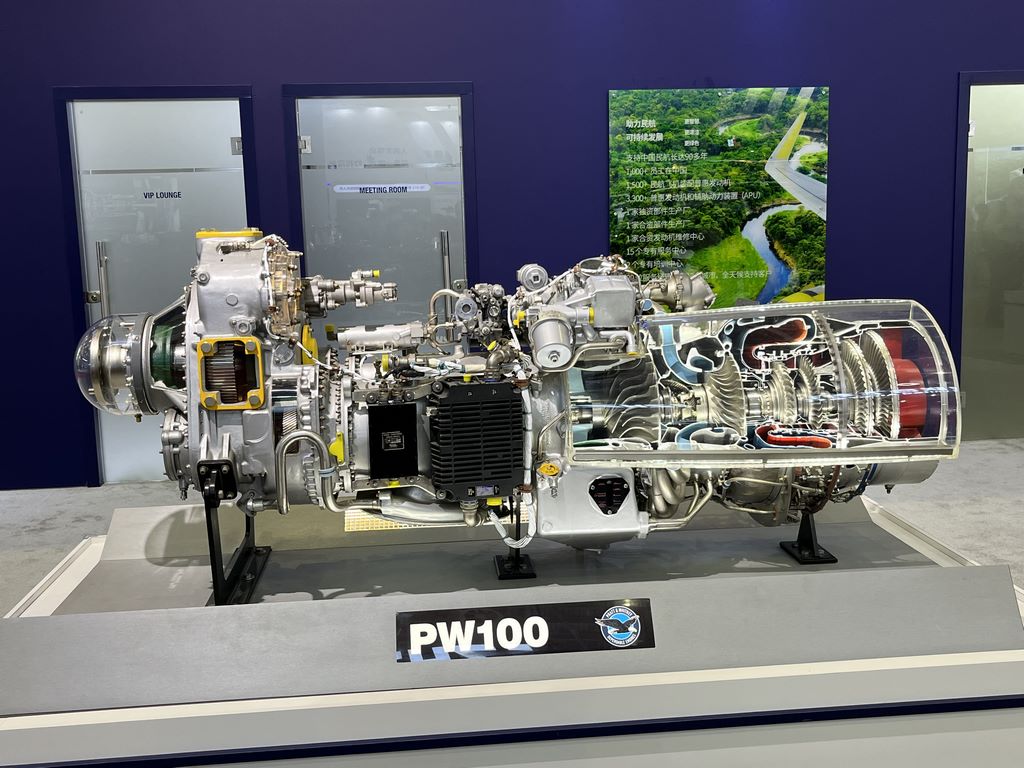
2、 Related questions and answers
Question 1: How to balance the accuracy of internal structure restoration and the demonstration effect of dynamic working cycle in engine models, and how to break through the core difficulties?
Answer: The core principle is "structure as the foundation, action as the soul", based on the true working principle of the engine, to achieve dual standards of accuracy and demonstration effect. In terms of precision control, it is necessary to ensure that key parameters such as cylinder block size, piston stroke, crankshaft eccentricity, and valve clearance are completely consistent with the prototype based on official engine drawings and 3D data. The dimensional tolerance of core components (such as camshaft profile and gear transmission ratio) should be controlled within ± 0.3mm, and the assembly relationship of components should conform to the real engine assembly logic. If necessary, mechanical engineers should be invited to participate in the scheme review to eliminate structural and transmission logic deviations.
The breakthrough of core difficulties can be approached from three aspects: firstly, transmission optimization, using micro precision gear sets and connecting rod mechanisms to replicate the linkage relationship between the piston and crankshaft, coupled with bearings to reduce friction resistance, ensuring smooth and synchronized reciprocating of the piston and crankshaft rotation, and accurately reproducing the four stroke (suction, compression, power, exhaust) cycle rhythm; The second is to simplify the structure, omitting non core pipelines and lines inside the engine, focusing on core moving parts, which not only reduces the difficulty of production, but also avoids redundant structures blocking the dynamic demonstration effect; The third is visual design, using transparent cylinder heads or partially hollow structures, combined with LED lights to mark stroke stages, allowing viewers to clearly observe the movement trajectory and working cycle logic of internal components.
Question 2: How to adapt the material and process selection for different purposes (teaching/collection/exhibition) while controlling the production cost when making engine models?
Answer: Adopting a "scenario adaptation+graded process control" solution that balances practicality, texture, and cost-effectiveness. The material selection should meet the requirements of the application: the teaching model should be able to withstand repeated disassembly and action demonstrations, the core moving parts (crankshaft, connecting rod) should be made of wear-resistant alloy steel, and the cylinder body should be made of high-strength ABS plate or aluminum alloy to ensure its service life; The collection/exhibition models focus on the appearance texture and detail restoration. The cylinder body and cylinder head can be precision machined with aluminum alloy, and the surface can be treated with anodizing or simulated coating. Non stress decorative components are made of environmentally friendly resin, balancing aesthetics and portability.
There are three points that need to be done well in cost control: first, process grading. The basic teaching model adopts a combination of "CNC cutting+manual assembly" process, and the standardized production of core components reduces working hours; High end collectible models adopt targeted 3D printing and precision carving techniques to restore details, avoiding the cost surge caused by high-precision processing throughout the entire process; The second is material optimization, which replaces non stress metal components with more cost-effective engineering plastics while ensuring the core transmission performance, reducing material costs; The third is the selection of functions, combined with the budget to clarify the required functions (core component linkage) and value-added functions (ignition demonstration, sound simulation), to avoid redundant functions increasing research and development and production costs.
Question 2: How to select the dynamic driving system and circuit module of the new energy sand table model to adapt to long-term demonstrations and ensure safety?
Answer: Adopting the "scenario adaptation selection+full process safety design" solution, balancing stability, safety, and service life. The selection of the drive system should be in line with the characteristics of new energy equipment: rotating/adjusting components such as fans and photovoltaic panels should be selected, and low-noise, high torque micro DC reduction motors should be used. The speed should be controlled at 3-8 revolutions per minute, and a reduction gear set should be used to ensure smooth operation and fit the true proportion of the equipment; The energy flow demonstration uses low-power LED light strips, combined with dimming modules to achieve brightness gradient and simulate changes in energy transmission intensity.
3、 The benefits of making engine models
1. Concrete mechanical principles to improve teaching efficiency: The internal structure of the engine is complex, the working cycle is abstract, and text and drawings are difficult for learners to understand intuitively. The model visualizes core actions such as piston reciprocating and valve linkage through dynamic demonstrations, helping learners quickly master key principles such as four stroke cycle and power transmission. It is particularly suitable for practical teaching in mechanical colleges, which can significantly reduce cognitive barriers and teaching costs, and avoid the high risks and high losses of dismantling real engines.
2. Assist in technology promotion and strengthen display persuasiveness: Engine companies can visually demonstrate the structural innovation, transmission advantages, and work efficiency of new products through dynamic models in exhibition promotion and customer visits. Compared with drawings and text introductions, it has more visual impact and interactive experience, which can quickly help customers understand the core value of the product, enhance brand recognition and cooperation conversion rate, and is the core tool for enterprise technology promotion.
3. It has both collection and reuse value, outstanding cost-effectiveness: high-precision engine models are finely crafted, highly restored, and integrate mechanical aesthetics and practical functions, with extremely high collection and viewing value; Suitable for multiple scenarios such as teaching, exhibitions, and collections, it can be reused for a long time after regular maintenance without the need for a complete redesign, balancing practicality and value preservation.


