Energy storage cabinet model manufacturer
Production Background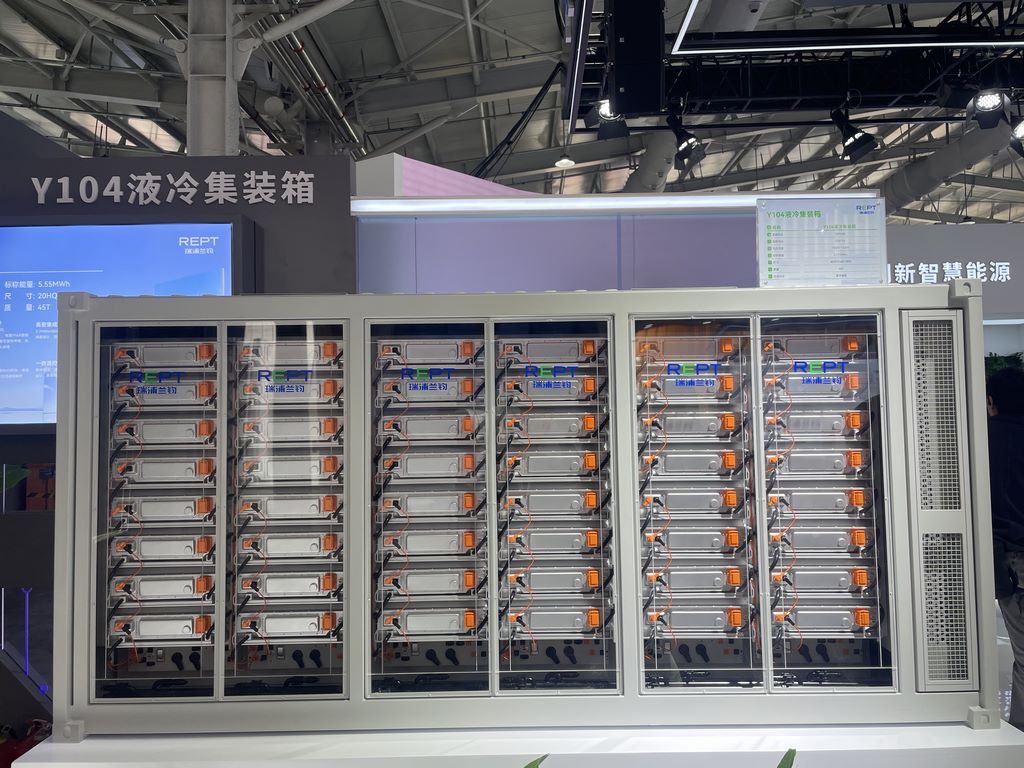
This case study addresses the customised requirements of a new energy company's exhibition hall, using a composite structure of ABS engineering plastic and alloy frames to reproduce the appearance of industrial energy storage cabinets in proportion. The entire process combines moulded production with manual refinement to ensure that the details are more than 90% recognisable.
Core Process Flow
1. Frame Formation Stage
Main Frame: 2mm-thick aluminium alloy profiles are laser-cut, assembled using mortise-and-tenon joints, and argon arc-welded. Triangular reinforcing ribs are added to critical load-bearing areas.
Door Hinge System: Brass micro-bearings are embedded in stainless steel shafts to enable the cabinet door to open freely between 15° and 90°.
Heat Dissipation Module: CNC engraving machines replicate the actual heat dissipation hole array on ABS panels, with hole diameter errors controlled within ±0.3mm.
2. Outer Shell Shaping Stage
Panel Injection Moulding: German Bayer ABS pellets are used in an 80-tonne injection moulding machine. After demoulding, the parts are immediately placed in a temperature-controlled chamber to eliminate internal stress.
Surface treatment: After grinding the entire piece with 400-grit sandpaper, automotive-grade putty is used to fill the moulding lines, repeating the puttying-grinding cycle three times
Explosion-proof texture: Through a hot-pressing process, diamond-shaped anti-slip textures with a depth of 0.5mm are pressed into the side panels, with the texture spacing corresponding 1:1 to the actual product
III. Key details to be reproduced
Cable connectors: 3D-printed nylon plugs with built-in magnetic, replaceable pins.
Safety markings: Screen-printed with UV-curable ink, with text as small as 0.8mm for clear readability.
Control Panel: Acrylic etched buttons combined with backlit LEDs to simulate status indicator lights
Coating and Quality Inspection
Primer Treatment: Electrostatic spraying of epoxy primer, baked at 60°C for 30 minutes to enhance adhesion
Colour Separation Spraying: Using Tamiya TS series industrial spray cans, the main colour of the cabinet is applied in three thin coats to create a gradient effect
Weathering treatment: Enamel paint stains are applied to the edges, and carbon buildup effects are sprayed around the heat dissipation ports.
Final inspection: Under standard light source conditions, compare with actual photos, colour difference ΔE ≤ 1.5, and all moving parts must pass a 100-cycle durability test.


