Customised industrial production line model factory
Industrial Production Line Model Manufacturing Process Case Study
I. Manufacturing Process
Design Planning:
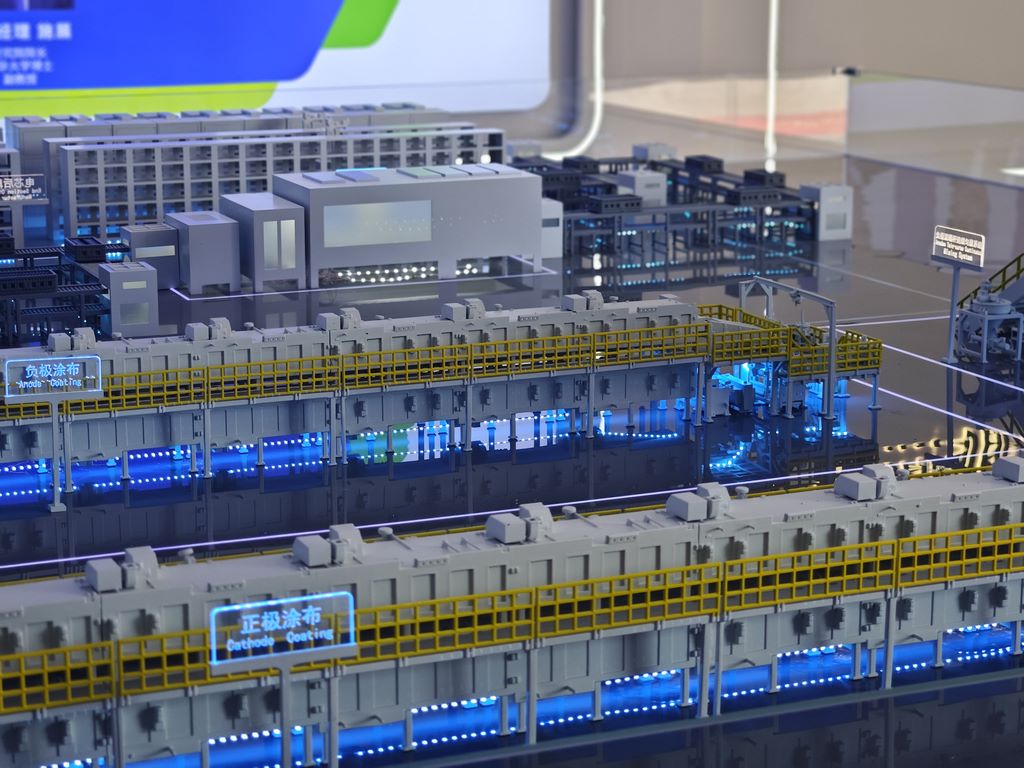
Detailed design planning is carried out based on the actual factory layout and production line process to ensure that the model accurately reproduces every aspect of the factory.
CAD software is used for 3D modelling to ensure the accuracy and feasibility of the design.
Material Selection:
Frame Materials: High-quality wood and metal materials are used to ensure the model's structural stability and durability.
Detail Materials: Use materials such as plastic, acrylic sheets, and LED light strips to ensure the accurate reproduction of model details and visual effects.
Model Production:
Cutting and Assembly: Use laser cutters and CNC machines for precise material cutting and meticulous assembly.
Structural Assembly: Gradually assemble the model's structural components according to the design plan, ensuring precise alignment and stability of each part.
Detail Addition: Gradually add production line equipment, tools, signage, and other details to ensure the model's accuracy.
Lighting Effects:
Embed LED light strips in key areas of the model to simulate the production lighting and effects of an actual factory.
Use blue and white lighting to create a sense of technology and modernity, enhancing the model's display effect.
II. Material Selection
Main Frame:
High-quality wood (such as pine or MDF) and metal materials (such as aluminium alloy) to ensure the model's stability and durability.
Detailed Components:
Plastic: Used to create various small-scale equipment and tools.
Acrylic sheets: Used to create transparent or semi-transparent display sections, such as windows or pipes.
LED light strips: Used to simulate the lighting effects inside the factory.
Decoration and Painting:
Use eco-friendly paints and sprays to ensure vibrant and long-lasting colours.
Use stickers and labels to add details and realism to the model.
III. Post-Processing and Colouring
Surface Treatment:
Sand and polish the wood surface to ensure a smooth, burr-free finish.
Apply rust-proofing and polish the metal parts to enhance texture.
Colouring and Coating:
Apply a base coat using a spray gun to ensure even colour adhesion.
Apply multiple layers of colour and detail painting to ensure colour depth and realism.
Apply a clear coat to the surface to enhance the model's brightness and durability.
Lighting Installation and Testing:
Embed LED light strips in key areas of the model and secure and connect them.
Test the lighting effects to ensure brightness and colour meet design requirements.
Detail Adjustment:
Conduct a final inspection and adjustment of the model's details to ensure every part is refined and precise.
Perform cleaning and maintenance to ensure the model is presented in perfect condition.


