Innovations in Architectural Sand Table Models
The Magical Role of Sand Tables in Architecture: An In-Depth Exploration with Henghui Model
Introduction
In the United States, sand table models have become an indispensable tool in the construction industry, bridging the gap between theory and practice with their unique charm. From ancient military strategy simulations to modern architectural design and planning, sand tables offer professionals and the public an intuitive understanding of complex spatial layouts and design schemes. Join us as we delve into the magical role of sand tables in architecture, guided by Henghui Model, a renowned manufacturer in the field.
1. Optimizing Design Concepts and Inspiring Creativity
Architectural design is a complex process that requires constant refinement and optimization. Sand table models serve as a crucial auxiliary tool, providing designers with a tangible platform to transition from theory to practice. By crafting these models by hand, designers can intuitively grasp spatial layouts, proportional relationships, and detail processing, uncovering potential issues and deficiencies. This 2D-to-3D transformation not only sparks creative inspiration but also prompts designers to revise and improve their plans, ultimately achieving the ideal design state.

Henghui Model has garnered acclaim for its exquisite craftsmanship and rich experience. They accurately reproduce every detail of architectural designs, from exterior forms to internal spatial layouts, perfectly captured in sand table models. This aids designers in understanding and grasping their schemes while providing invaluable sources of inspiration.
2. Guiding Construction and Minimizing Risks
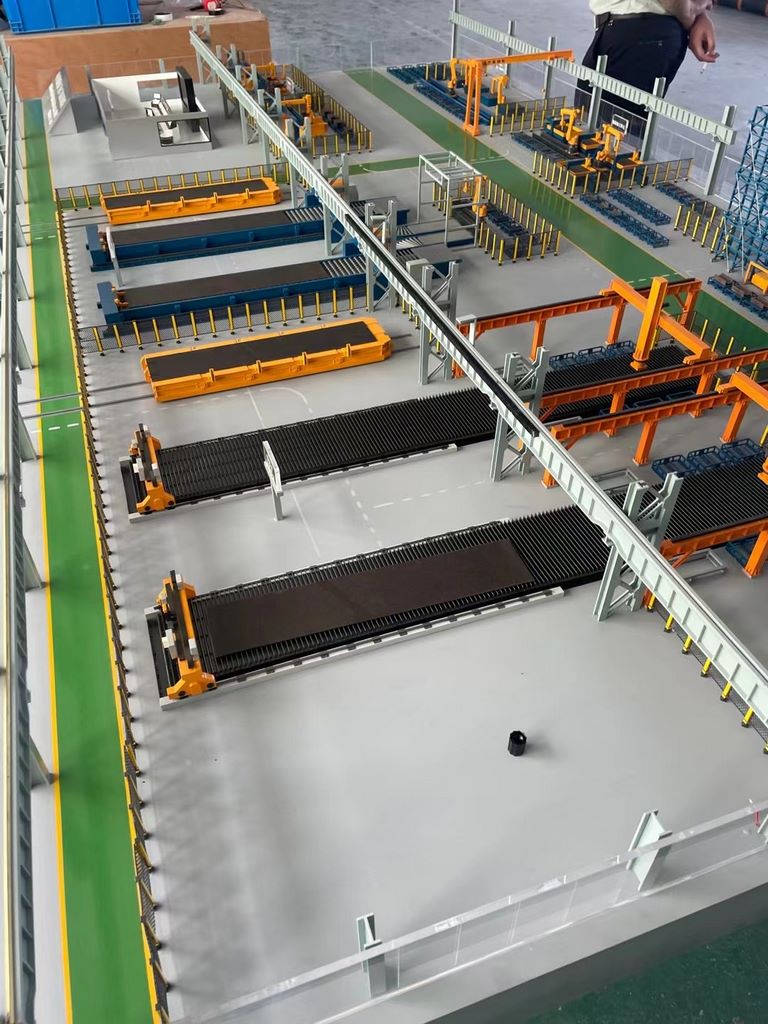
During the construction phase, sand table models play a vital role. Traditional 2D drawings often fall short in demonstrating complex structures and spatial relationships, posing challenges for construction teams. Sand tables present designs in a tangible format, allowing construction personnel to clearly visualize every detail and structural feature. This ensures a correct understanding of design intent, reduces misunderstandings and errors, and enables early detection and resolution of potential construction difficulties, thereby minimizing risks.
Henghui Model recognizes the complexity and importance of the construction phase. They prioritize accuracy and practicality in their models, ensuring construction personnel can accurately understand and execute designs as required. This enhances construction efficiency and quality while ensuring standardization and normalization.
3. Showcasing Design Effects and Boosting Sales
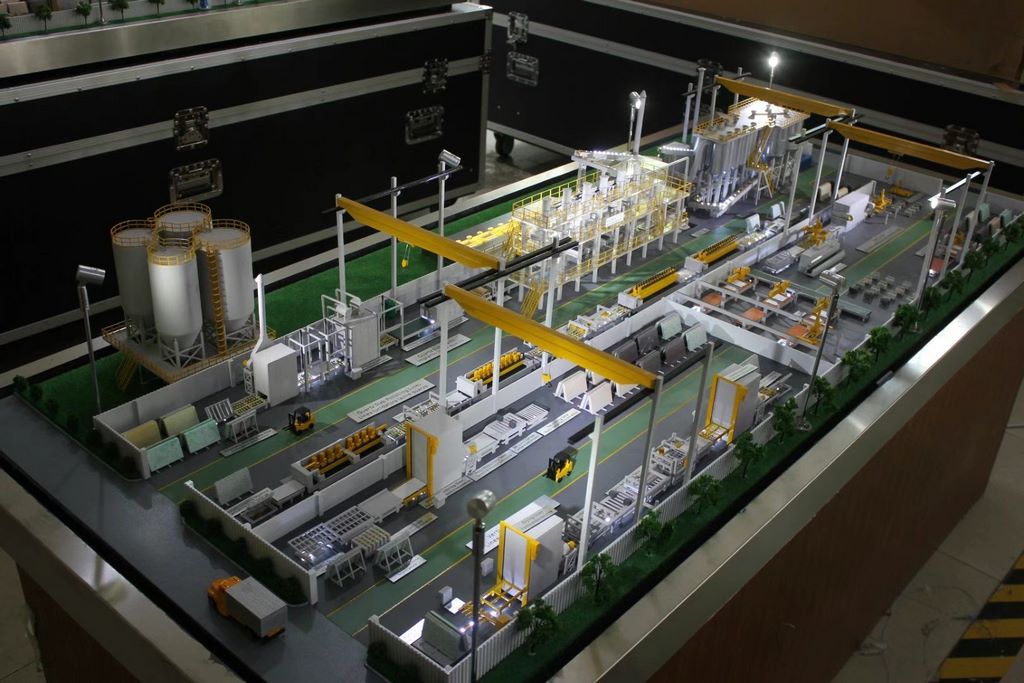
For real estate development projects, sand table models are essential for showcasing design effects and promoting sales. Homebuyers in the US have high expectations for property appearance, layout, and landscape. Through meticulously crafted sand tables, buyers can intuitively visualize these aspects, gaining a comprehensive understanding of project features and advantages. This enhances buyer confidence and determination, boosting project visibility and reputation.
Henghui Model excels in creating both beautiful and practical sand table models tailored to developer needs and buyer preferences. These models not only accurately display design effects but also create a realistic atmosphere through lighting and sound effects, immersing buyers in their future homes.
4. Presenting Engineering and Natural Environment Integration
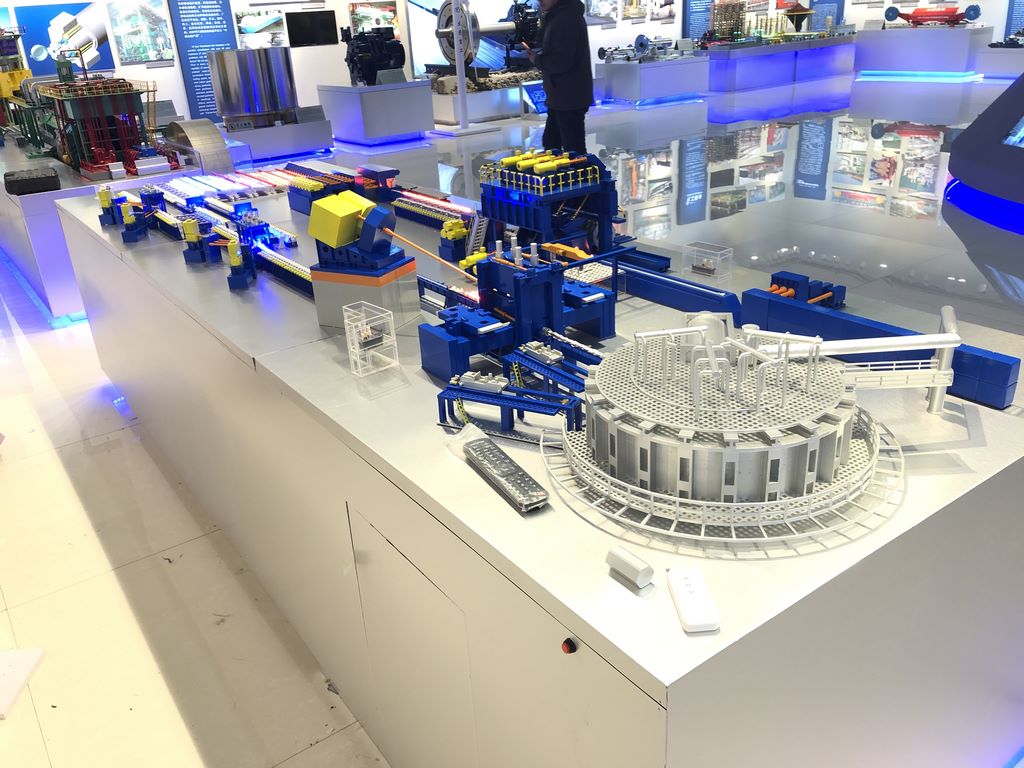
In large-scale commercial buildings, urban planning, and other projects, sand table models showcase the actual effects of engineering structures and natural environments. By simulating real building and environmental models, designers can demonstrate integration effects, landscape layouts, and ecological impacts. This aids designers in understanding and grasping project concepts and requirements, providing strong support for subsequent planning, construction, and management.
Henghui Model excels in creating realistic and creative sand table models that accurately demonstrate engineering and natural environment integration. Through fine model production and realistic scene arrangement, audiences feel immersed in real buildings and environments.
5. A Bridge for Communication and Decision-Making
Sand table models are not just tools for designers and construction personnel; they also serve as a bridge for communication among designers, owners, and government departments. Through these models, all parties can intuitively understand project aspects, facilitating consensus and smooth project progress. Additionally, sand tables are crucial for project review, acceptance, and other stages, providing a basis for evaluating quality and effectiveness.
Henghui Model understands the importance of communication and decision-making. They prioritize accuracy and practicality in their models, ensuring all parties can intuitively understand project characteristics and advantages, facilitating consensus and smooth project progress.
Conclusion
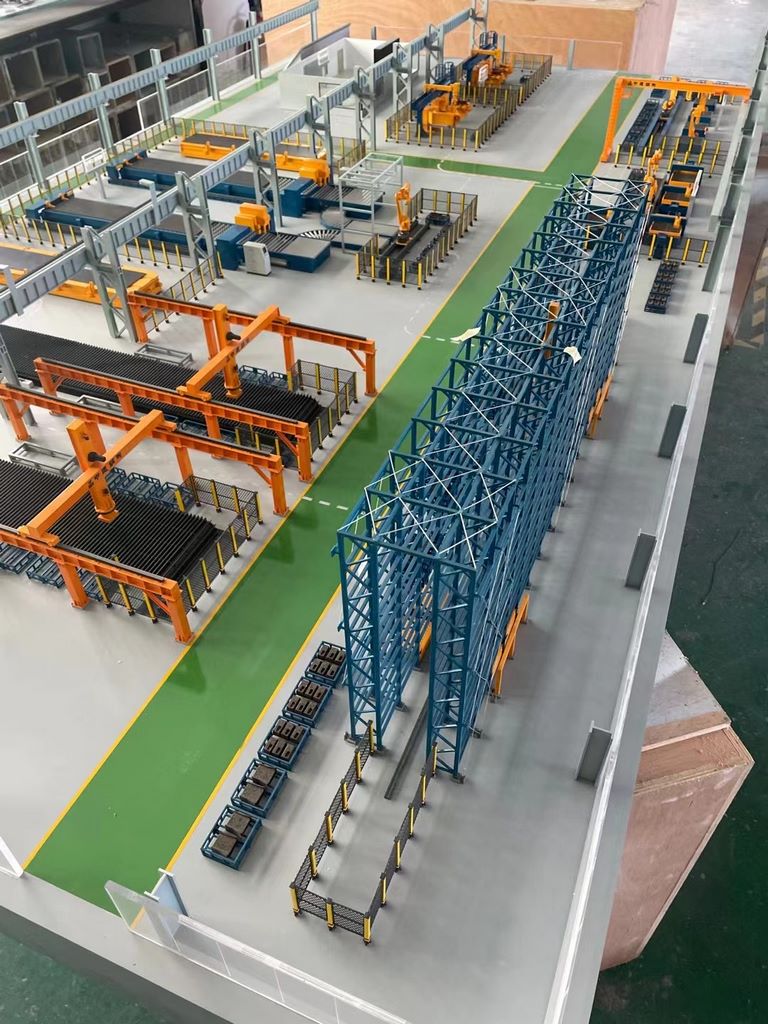
In summary, sand table models play multiple vital roles in the construction industry. They optimize design concepts, guide construction, showcase design effects, present engineering and natural environment integration, and serve as a bridge for communication and decision-making. As the construction industry evolves, sand table models will continue to play an increasingly important role. Henghui Model, with its exquisite craftsmanship and rich experience, will continue to provide high-quality services to architecture professionals and the public.


