Road And Bridge Sand Table Model Craft
Introduction
A city is built on connections.
Roads move people. Bridges span obstacles.
In a sand table model, roads and bridges do more than connect buildings.
They tell the story of circulation, infrastructure, and engineering.
That is the craft ofRoad And Bridge Sand Table Model Craft.
This guide explains how professionals create realistic roadways and bridges.
From asphalt texture to bridge trusses.
From lane markings to traffic flow simulation.
Let us begin.
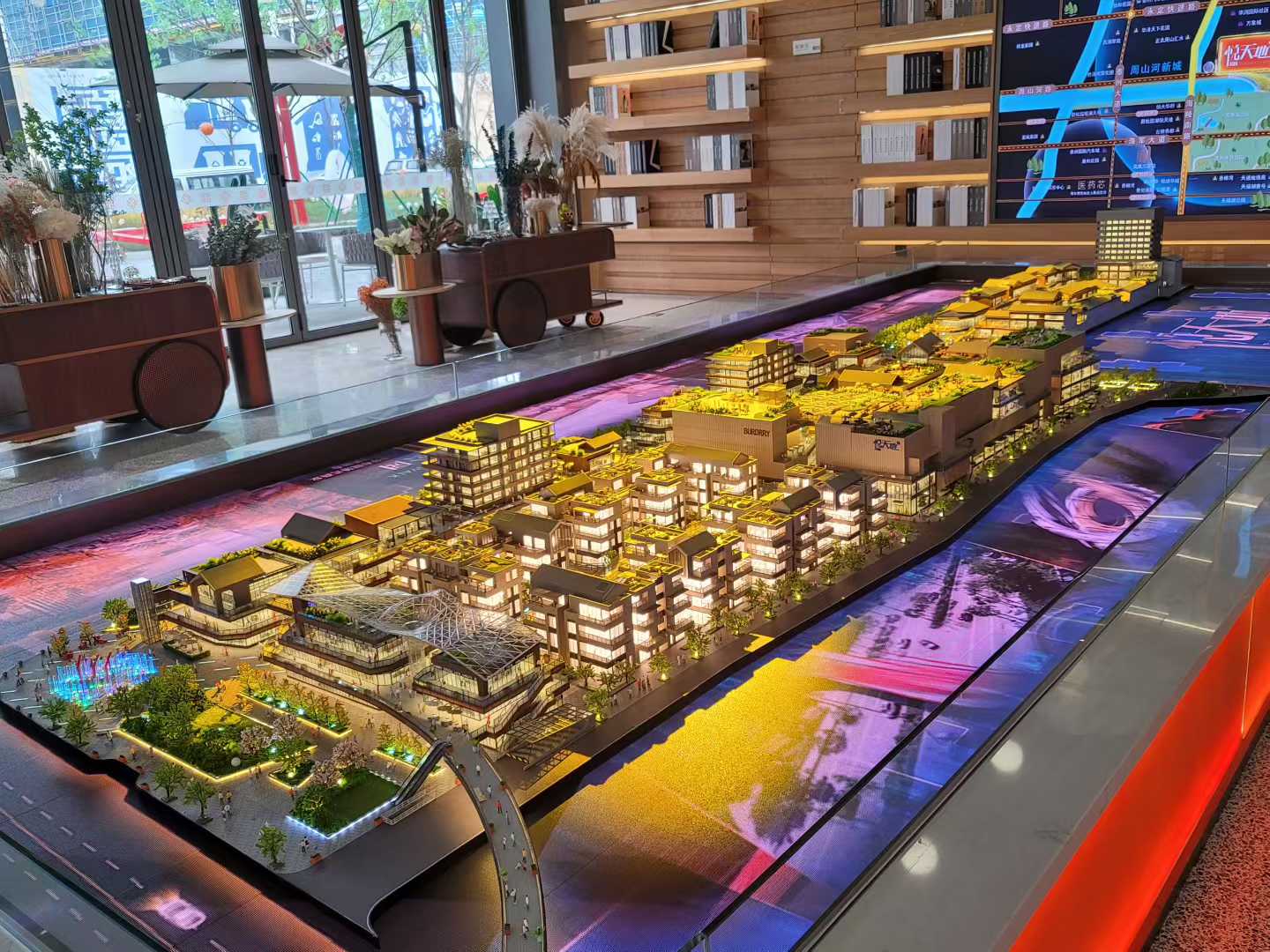
Why Roads and Bridges Deserve Special Attention
Roads and bridges are the most visible infrastructure in any urban model.
Poorly made roads ruin the illusion.
Road And Bridge Sand Table Model Craftfocuses on:
Realistic asphalt texture and color.
Accurate lane markings and signage.
Smooth curves and gradient transitions.
Detailed bridge structures (cable‑stayed, arch, truss).
A well‑crafted road network makes the entire model believable.
The Core Craft: Roads
Step 1 – Chassis and Subgrade
The foundation of every road is a stable subgrade.
Professionals use high‑density foam board and multi‑layer composite board to create a light, solid chassis that never deforms.
The base layer of the road is cut and spliced with ABS boards.
Through stacking and polishing, gentle slopes and intersection connections take shape.
Step 2 – Surface Texture Treatment
Smooth plastic boards look fake.
The craft ofRoad And Bridge Sand Table Model Craftuses a special mixture of gypsum and mineral particles, scraped onto the ABS road surface.
When half‑dry, it is pressed with a textured rubber roller to imitate the rough particle feel of asphalt.
This manual craftsmanship is unmatched by prefabricated parts.
Step 3 – Lane Markings and Signage
Sharp, thin lane lines are essential.
Professionals abandon simple paint and instead use high‑precision water stickers (cut via inkjet engraving machines) transferred onto the road surface.
These lines perfectly fit the road texture, appearing as if truly sprayed on with zero thickness.
Step 4 – Material Choice
Dark gray resin represents asphalt roads.
Light gray PVC is selected for cement roads to restore the true texture of the surface.
The Bridge Building Craft
Bridges are the signature landmarks of any transportation network.
Bridge Types in Sand Table Models
Cable‑stayed bridges– Require fine brass or fiber wires for cables.
Arch bridges– Carved from high‑density foam or resin.
Beam bridges– Constructed from laser‑cut acrylic or ABS sheets.
A sand table model of a cable‑stayed bridge at 1:100 scale might be 5.5m long, 1m wide and 1.6m high.
Production Techniques
Professionals print sky bridges using nylon‑fiberglass composite, with miniature springs embedded in the hinged joints.
Curtain wall units undergo vacuum coating to achieve different reflective effects.
Water Integration
When a bridge spans a river, the water body demands the same attention to detail.
LED light strips are laid in the water area before being covered with transparent resin to simulate ripples and depth.
Landscaping Integration
Roads and bridges do not exist in a vacuum.
Green Belts and Vegetation
Green belts are crafted using electrostatic grass planting machines, making grass fibers stand upright to form a realistic, textured lawn.
Supporting Facilities and Vehicles
Traffic signs, streetlights and guardrails are cut from laser‑cut acrylic sheets to ensure perfect vertical alignment.
High‑precision injection‑molded vehicle models provide the best paint adhesion for realistic coloring.
Adding Life with Miniature Figures
A road without traffic feels empty.
A bridge without pedestrians lacks scale.
AMiniature Figure For Sand Table Modelplaced at a crosswalk, waiting at a bus stop, or walking across a bridge instantly communicates how the space will be used.
Figures make the transportation network relatable and help viewers understand pedestrian flow, waiting areas, and gathering points.
For the most realistic effect, use unpainted white figures (they do not distract) or custom‑painted resin figures.
Match the scale to your model – 1:100 figures for building‑level detail, 1:200 for broader urban layouts.
Post Processing and Weathering
Layered Coloring
Road surfaces are not simply gray.
Through a spray pen, subtle transitions of dark gray, warm gray and brown are applied, simulating the color changes caused by sunlight and wear.
Protective Treatment
For models requiring outdoor display, aWaterproof Treatment Urban Planning Modelseals painted surfaces and protects vulnerable components.
This is essential when bridge models are displayed in plazas or exhibition halls with significant humidity or dust.
High Gloss Finish for Water Features
When a bridge spans a river, the water body demands special attention.
AHigh Gloss Finish Architectural Sand Modeltechnique creates realistic reflections on the water surface.
Multiple layers of clear epoxy resin, polished to a mirror shine, simulate the shimmer of rivers and harbors.
The glossy finish helps water features stand out from the surrounding matte landscapes and makes the entire scene more immersive.
For cable‑stayed bridges, the glossy water below also reflects the bridge cables, adding dramatic visual depth.
When Restoration Is Needed
Road markings fade. Bridge paint chips. Surface textures wear down.
ASand Table Model Color Restoration Servicecan match original colors, repaint faded areas and reapply lane markings.
This service is critical for models used in long‑term exhibitions or sales centers, as it restores the model to its original presentation quality without requiring a full rebuild.
Protecting Your Road and Bridge Model
Dust is the enemy of delicate road markings and bridge details.
ASand Table Model Dust Cover Custom Madekeeps dust off painted surfaces, protects fragile bridge components from accidental damage, and prolongs the life of the model.
Moving and Installing Large Infrastructure Models
Road and bridge models are often large and heavy.
Moving them requires professional care.
Sand Table Model Moving And Installationservices ensure that:
Delicate bridge cables are not stretched or snapped.
Road sections remain aligned after transport.
The model is leveled correctly on its new display table.
Removable components (trees, figures, vehicles) are packed separately and reinstalled.
Attempting to move a large road‑and‑bridge model without professional help almost always results in broken parts.
Applications for Road and Bridge Sand Table Models
Urban planning– Visualize new highway interchanges and transit corridors.
Real estate development– Show access roads and bridge connections.
Transportation simulations– Test traffic flow through overpasses and tunnels.
Intelligent transportation systems– Simulate traffic flow, pedestrian flow and other factors in a physical miniature.
Museum exhibits– Display iconic bridges as stand‑alone engineering models.
Future Trends
Smart models with real‑time data– LEDs change color based on simulated or actual traffic feeds.
3D printed custom bridges– On‑demand replacement parts for damaged components.
Augmented reality integration– Scan a bridge model to see engineering data.
Conclusion
Road And Bridge Sand Table Model Crafttransforms a simple layout into an authentic miniature world.
Whether you need aWaterproof Treatment Urban Planning Modelfor outdoor display, aSand Table Model Color Restoration Servicefor faded lane markings, aMiniature Figure For Sand Table Modelto animate your streets, aHigh Gloss Finish Architectural Sand Modelfor realistic water reflections, or professionalSand Table Model Moving And Installationfor a large infrastructure model, the craft of roads and bridges is the backbone of any great urban model.
Choose the right materials – ABS for base, gypsum mix for asphalt, resin for water.
Invest in precision lane markings and authentic weathering.
Protect your model with a custom dust cover.
Move it only with professionals.
Contact a specialist today.
Build roads that lead somewhere.
Build bridges that connect.
Ready to craft a road and bridge sand table model? Request a quote with your traffic plan and infrastructure requirements. Get a response within 48 hours.


