High Simulation Miniature Model Making
Introduction
A standard sand table model shows the layout.
A high simulation model shows the soul.
Every brick is textured.
Every tree has individual branches.
Water shimmers with depth.
That is the art ofHigh Simulation Miniature Model Making.
This guide explains how professionals achieve such realism.
What materials and techniques are used.
And how to commission a model that looks like a photograph in miniature.
Let us begin.
What Is High Simulation Miniature Model Making?
It is the process of creating physical miniatures with extreme attention to detail.
High Simulation Miniature Model Makinggoes beyond simple massing blocks.
Buildings have realistic facades – windows with mullions, roofs with tiles, walls with brick patterns.
Landscaping includes individual hand‑made trees, multiple shades of grass, and resin water with depth and ripples.
The goal is to create a model that is nearly indistinguishable from a photograph of the real thing.
Why High Simulation Matters
Realism builds trust.
When a developer shows a high simulation model, buyers believe in the quality of the finished project.
When a museum displays a historical miniature, visitors feel transported.
High Simulation Miniature Model Makingcreates emotional connection.
It is the difference between a diagram and a story.
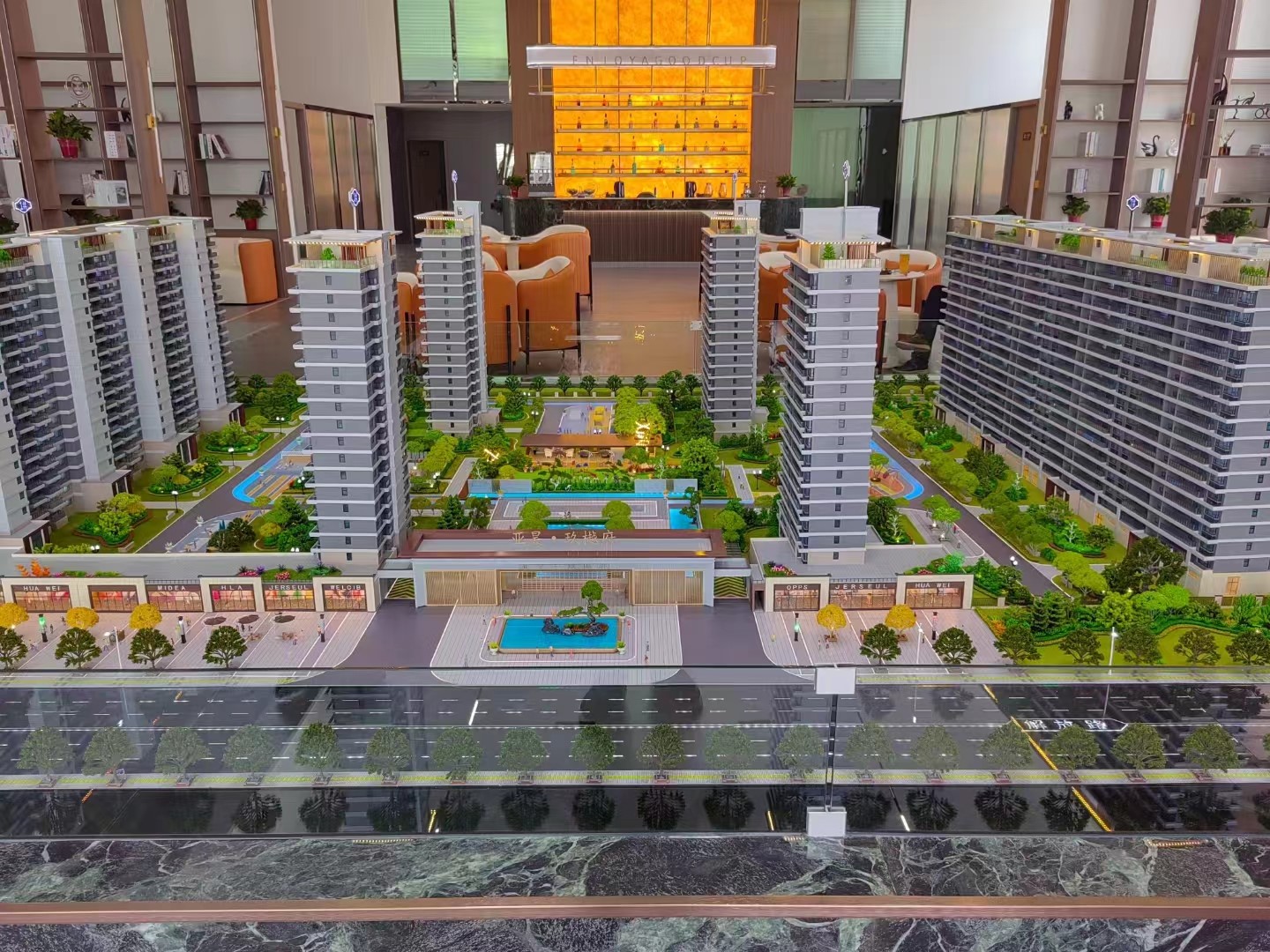
Core Techniques of High Simulation Modeling
Precision Fabrication
Laser cutting, CNC milling, and 3D printing achieve tolerances of ±0.1mm.
A3D Printing Architectural Sand Table Modelallows complex geometries like twisted towers and organic terrain that would be impossible to hand‑carve.
Hand Painting and Weathering
Every facade is hand‑painted.
A base color is applied, then shadows and highlights are added with an airbrush.
Weathering (dirt streaks, rust, moss) adds age and character.
Realistic Landscaping
Grass is applied with electrostatic flocking – fibers stand upright, mimicking natural turf.
For aSand Table Model Landscape Decoration Craftspecialist, no lawn is uniform; shades of green vary across meadows, rough areas, and shaded spots.
Resin Water Features
Rivers, lakes, and pools are cast in multiple layers of clear epoxy resin.
Each layer adds depth.
Ripples and reflections are created by brushing uncured resin or adding translucent gels.
Detailed Miniature Accessories
Tiny streetlights, benches, cars, and people are sourced from model railway suppliers or 3D printed.
Each element is placed with tweezers.
The High Simulation Production Process
Step 1 – Digital Modeling and Data Preparation
Your CAD, BIM, or GIS files are converted into a highly detailed 3D model.
For a3D Printing Architectural Sand Table Model, the file is optimized for additive manufacturing – channels for wires, holes for trees, and registration points for buildings.
Step 2 – Base and Terrain Construction
A rigid, warp‑proof base is prepared.
For large, heavy models, aMetal Structure Urban Planning Sand Modelprovides the necessary strength and stability.
Terrain is sculpted from high‑density foam, following contour lines from your data.
Step 3 – Building Fabrication
Buildings are produced using a combination of laser cutting (for flat walls) and 3D printing (for ornaments, roof details, and curved elements).
Each component is hand‑assembled.
Step 4 – Hand Painting and Finishing
Artists paint each building using reference photos.
Brick colors, stone textures, and glass reflections are all hand‑crafted.
AWooden Frame Architectural Sand Table Modelprovides an elegant, natural bezel that complements the painted details.
Step 5 – Landscape Decoration
Individual trees are twisted from wire and flocked.
Grass is applied with an electrostatic applicator.
Water features are cast in resin.
This stage follows the principles ofSand Table Model Landscape Decoration Craft, where every square centimeter is treated with care.
Step 6 – LED Lighting Integration
For models that will be displayed in dim rooms or for nighttime scenes,LED Lighting Sand Table Model Installationadds warm window glows, streetlights, and underwater illumination.
Fibre optics are threaded through tiny holes, and micro‑LEDs are hidden behind facades.
Step 7 – Quality Control and Final Inspection
The model is examined under magnification.
Dust is removed with ionized air.
Any imperfections are corrected.
Applications for High Simulation Miniature Models
Real Estate Sales Centers
Luxury developments demand high simulation.
Buyers expect to see the grain of the wood and the sparkle of the pool.
Museum Exhibits
Historical city models require accurate facades, period‑appropriate trees, and realistic weathering.
High simulation helps visitors connect with the past.
Urban Planning and Master Plans
For a new district or transit corridor, a high simulation model helps stakeholders visualize the finished environment.
Even the landscaping is precise – from street trees to park benches.
Corporate Lobbies and Visitor Centers
A permanent installation must impress every day.
High simulation craftsmanship ensures the model remains a source of pride.
Case Study: High Simulation Model for a Heritage Museum
A heritage museum needed a miniature of a 19th‑century town.
The model was built on aWooden Frame Architectural Sand Table Modelwith a dark walnut finish.
Buildings were 3D printed from historical photographs.
Each storefront was hand‑painted, with tiny signs and gas lamps added.
The street was cobbled using fine sand mixed with grey paint.
The result was so realistic that visitors asked if they could walk through it.
The model became the museum’s most popular exhibit.
Cost Factors for High Simulation Miniature Models
Level of detail– Hand‑painted facades vs. printed textures.
Number of trees– 200 vs. 2,000 hand‑made trees.
Water features– Simple painted pond vs. multi‑layer resin with LEDs.
Building complexity– Simple blocks vs. intricate historical facades.
Base type– Wooden frame, metal structure, or 3D printed integrated base.
Typical range: 150,000 for a large, fully detailed city model with hundreds of hand‑made trees and LED lighting.
How to Choose a High Simulation Model Maker
Use this checklist.
Portfolio of realistic models– Look for close‑up photos showing hand‑painted details.
Material and technique range– Do they offer 3D printing, resin casting, electrostatic flocking?
Artisan team– Ask about the painters, tree‑makers, and lighting specialists.
References– Call past museum, luxury developer, or urban planning clients.
Lead time– High simulation takes 12–20 weeks.
Common Mistakes to Avoid
Donotuse printed textures where hand painting is expected.
Printed vinyl looks flat under close inspection.
Donotuse cheap plastic trees – hand‑made wire trees are essential for realism.
Donotskip weathering.
A model that looks brand‑new is less believable than one with subtle aging.
Donotforget the protective cover.
Dust is the enemy of hand‑painted details.
Future Trends in High Simulation Miniature Model Making
Photogrammetry textures– Real building facades mapped onto 3D prints.
Living miniature plants– Preserved moss for ultra‑realistic ground cover.
Smart lighting– LEDs that change color based on real‑time data.
Sustainable materials– Recycled acrylic and biodegradable flocking.
Conclusion
High Simulation Miniature Model Makingis the pinnacle of the model maker’s art.
It turns a city plan into an emotional, unforgettable experience.
Start with a3D Printing Architectural Sand Table Modelfor complex geometries.
Build the base with aMetal Structure Urban Planning Sand Modelfor large spans, or aWooden Frame Architectural Sand Table Modelfor natural elegance.
Add life withSand Table Model Landscape Decoration Craft– sculpted terrain, hand‑made trees, and resin water.
Bring it all to life withLED Lighting Sand Table Model Installationfor glowing windows and shimmering pools.
Contact a high simulation specialist today.
Send your vision and reference images.
Get a realistic quote.


