Manufacturing equipment model production case
This project is a manufacturing equipment model, based on laboratory precision intelligent equipment as a prototype. It accurately reproduces the appearance structure, operation interface, and internal component layout of the equipment, achieving a realistic reproduction rate of over 90%. It is suitable for enterprise exhibition halls, scientific research achievement displays, and technology popularization scenarios.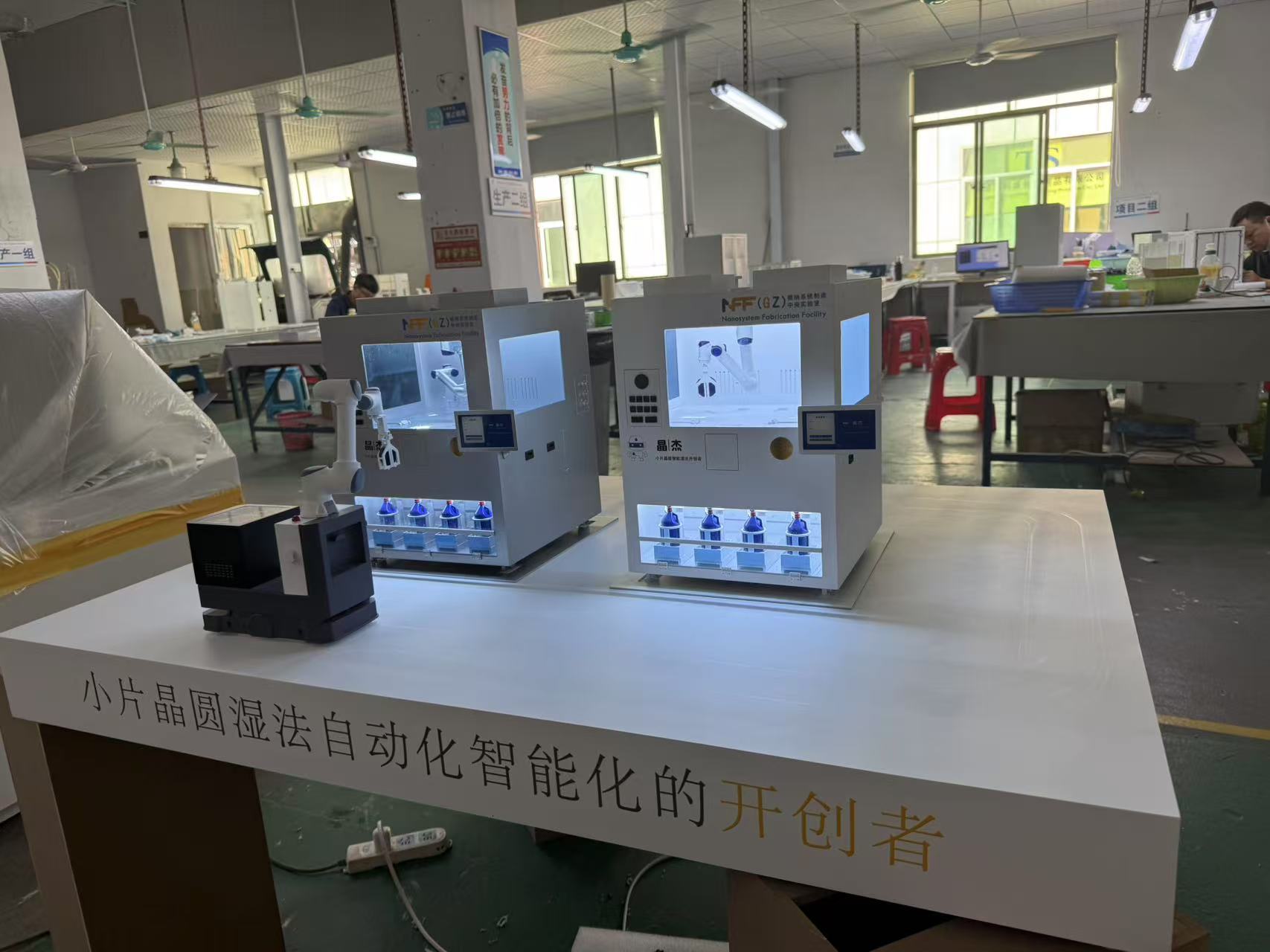
1、 Material selection
Main structure: The equipment shell is made of ABS sheet and acrylic composite material, which balances structural strength and transparent display effect, ensuring that the box is square and stable with smooth edges;
Functional components: The core components such as the operation panel, internal cavity, and storage unit are made of 3D printed photosensitive resin and high transparency acrylic, restoring the precision structure and transparent window texture;
Interaction module: The display screen and button area use miniature LCD screens and simulated buttons to simulate the device interaction interface;
Auxiliary materials: model specific adhesive, fine sandpaper, matte varnish, multi-color spray paint, UV printed identification stickers, etc., to enhance the durability and visual accuracy of the model.
2、 Production process
Shell shaping
Using ABS board as the base, the equipment box is made through cutting, bonding, and polishing processes to restore the square contour and corner curvature; Reserve windows, interfaces, and module installation positions to ensure a neat overall structure and coordinated proportions.
Production of functional components
Using 3D printed photosensitive resin to create internal chambers, storage units, and operation buttons, finely polished and embedded in corresponding positions; The window area is cut and pasted with high transparency acrylic, simulating the observation window of the equipment; The display module is assembled with a micro LCD screen and frame to restore the interactive interface form.
Detail assembly
Install micro accessories such as buttons, knobs, and interfaces, and accurately bond and fix them according to the prototype layout; Layered assembly of storage units and internal chambers to restore equipment functional zoning; Paste guardrails and sign bases to enhance scene details.
integral assembly
Assemble the shell, functional components, and interaction module, adjust the center of gravity and balance, and ensure that the model is placed smoothly; Clean the splicing gaps to prepare for later coloring and protective treatment.
3、 Post processing and coloring
Main body coating: The equipment shell is sprayed with matte white to create a clean and precise laboratory equipment texture; The internal cavity and storage unit are embellished with light blue, forming a soft contrast with the white main body, enhancing the recognition of functional zoning;
Detail processing: The key area is sprayed with dark gray and black color separation, simulating the real touch and visual hierarchy of the keys; The display screen frame is painted in silver gray to enhance the sense of technology;
Identification and protection treatment: The equipment name, laboratory identification, and functional description are accurately pasted on the surface of the box through UV printing, with clear and eye-catching text and a proportional fit; The overall matte varnish is sprayed to enhance the wear resistance and dust resistance of the model, while retaining the delicate texture of the material and avoiding the visual realism of the paint surface being affected by excessive brightness.
4、 Detail optimization and presentation of effects
Thoroughly polish and adjust the model, repair splicing gaps, correct component spacing and interface positions, and ensure that the overall layout is consistent with the real scene; Clean up surface impurities to make the appearance neat and uniform; Test the stability of the structure to avoid loosening and detachment of components. The final product presents the precise appearance and functional features of micro nano system manufacturing equipment through the synergy of materials, processes, and colors, combining aesthetics and popularization, meeting diverse needs such as scientific research exhibitions, technical exchanges, and brand promotion.


