Model making scheme for energy storage container
1、 Project Overview
This plan aims to create a highly restored energy storage container model, achieving a reduction rate of over 90% through meticulous craftsmanship and material selection. The model will be used for display, teaching, or collection, with a focus on highlighting the true texture and details of industrial equipment.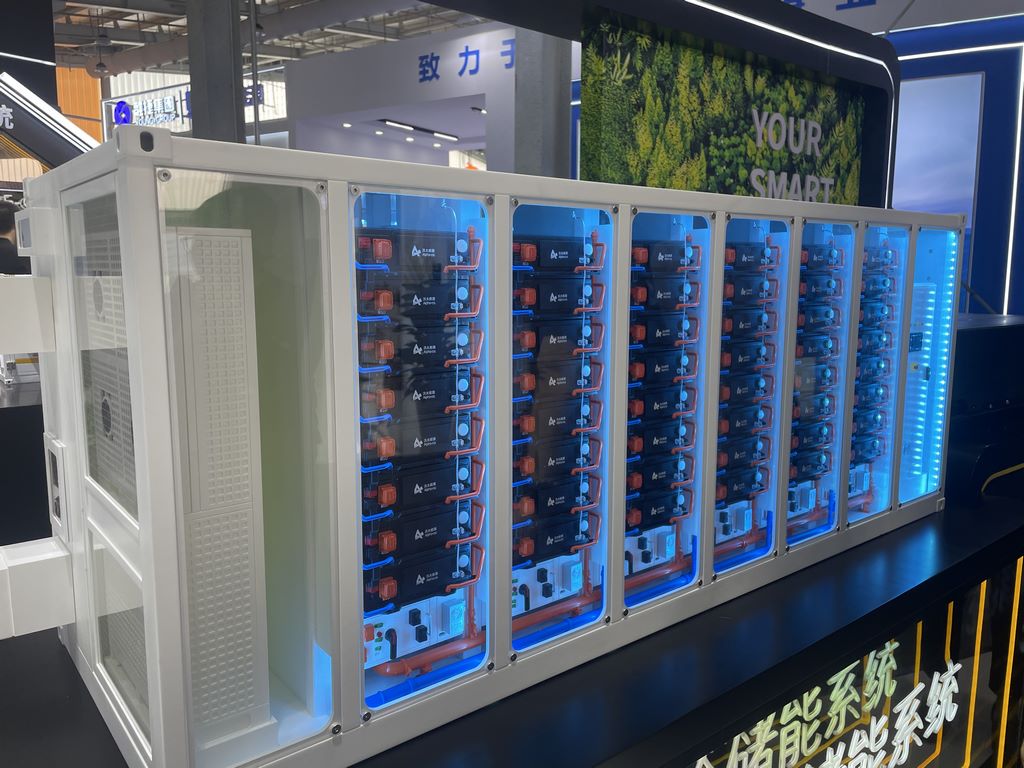
2、 Material selection
Main material
The frame is made of galvanized steel plate laser cutting, with moderate thickness to ensure stable structure and easy processing.
The panel uses composite panels, and after surface treatment, it can simulate the texture and feel of a real container.
Detail components
The cooling system adopts etched stainless steel mesh, with ventilation holes proportionally reduced and smooth edges treated.
The hinges and handles are made of zinc alloy die-casting parts, polished and aged to enhance their industrial feel.
3、 Production process
Structural construction
The frame is processed by a bending machine, and the welds are simulated by spot welding to achieve the desired riveting effect.
Copper wire simulated sealing strips are embedded at the junction of the top and side panels to enhance the realism of details.
surface treatment
The coating adopts a three-layer spraying system: primer rust prevention, intermediate layer enhanced adhesion, and topcoat sprayed with standard colors.
The box number uses transfer printing technology, with clear fonts that comply with international standards.
Old effect
Dry scanning technique simulates edge and corner wear, and after mixing pigments, lightly scans high-frequency contact areas.
Rust stains are sprayed with transparent red glaze using wet painting method, and the weld seam is naturally blurred.
4、 Function integration
Movable components
The cabinet door is equipped with a magnetic positioning device, and the opening and closing angle is consistent with the actual equipment.
The internal battery pack module is encapsulated with semi transparent resin and equipped with built-in LED to simulate charging and discharging states.
Industrial identification
UV printing of danger signs, covered with matte protective film, with reflectivity controlled below 20%.
The cable interface is molded by resin casting, and LED light strips are embedded inside to simulate the effect of power on.


