Teaching case of aircraft model making
1. Material preparation
Fuselage material: High-quality lightweight wood is selected, which is light in weight and has good strength, making it easy to carve and shape, and is used to make the main body of the aircraft fuselage.
Wing material: High-strength ABS plastic board is used, which has good toughness and stability, ensuring the shape and strength of the wings.
Details and Materials: Copper wire is used to make small parts such as antennas and landing gears of airplanes; transparent acrylic boards are used to make portholes of airplanes; foam is used to make seats and other interior decorations.
Auxiliary materials: white latex for bonding parts; sandpaper for sanding surfaces; paint for coloring; varnish for protecting paint surfaces.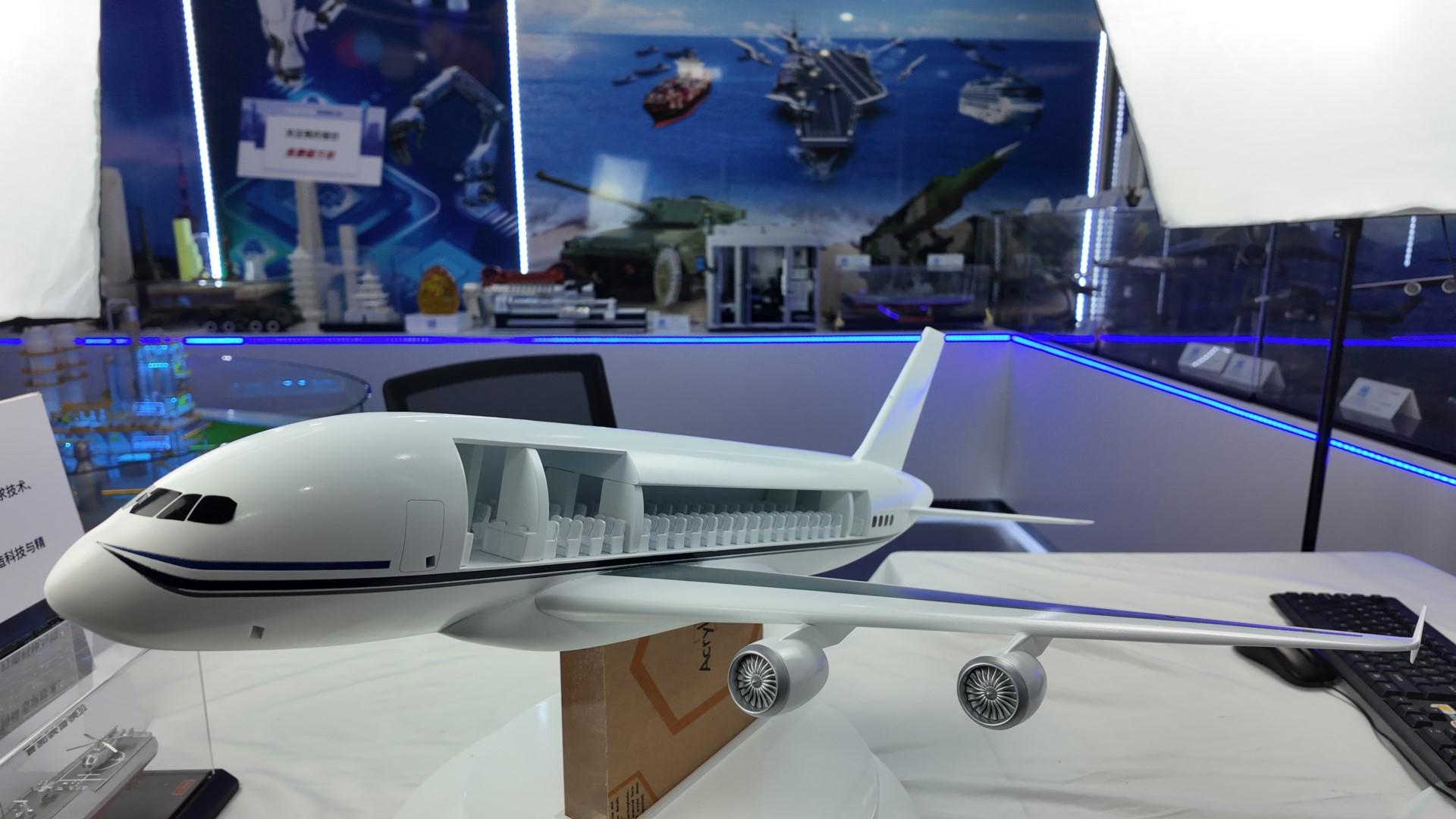
II. Manufacturing Process
Fuselage construction: Based on the dimensions and proportions of the aircraft prototype, the fuselage outline is drawn on balsa wood. A fine woodworking saw is used to cut out the rough shape, and then sandpaper is used to gradually polish it smooth. Details of the fuselage, such as cabin doors and window grooves, are carved out.
Wing fabrication: Cut ABS plastic sheets into the shape of wings according to the design dimensions, and shape them with heat and molds to achieve a certain curvature and dihedral angle. Embed reinforcing ribs at appropriate locations inside the wings to enhance their load-bearing capacity.
Assembly: Use white latex to bond the fuselage and wings, ensuring a secure connection. Install the landing gear, bend the copper wire into a suitable shape, and secure it to the bottom of the fuselage. Install interior decorations, such as seats made of foam plastic, and place them inside the fuselage.
Detail addition: Use copper wire to make antenna and other components and install them in the corresponding positions; cut transparent acrylic boards into small pieces and embed them into the fuselage as portholes.
III. Post-processing and coloring
Sanding: Use sandpaper of different grit sizes to meticulously sand the entire model, starting with coarse sandpaper and gradually transitioning to finer sandpaper, to achieve a smoother and more level surface.
Primer spraying: Apply a layer of white primer to enhance the adhesion of subsequent paints. Meanwhile, inspect the model surface for any imperfections and repair them promptly if necessary.
Painting: Based on the original aircraft's painting scheme, prepare the corresponding color paint for spraying. First, spray the large areas with color, and then use a fine brush to depict details such as the lines and logos on the fuselage.
Varnish protection: After the paint is completely dry, apply a layer of varnish to protect the paint surface and enhance the glossiness and durability of the model.
Through the above production process, a teaching aircraft model with a degree of restoration of about 90% can be produced, providing an intuitive and vivid display tool for teaching activities.


